
The Loneliness Epidemic:
Causes, Concerns, and Pathways to Solutions


Loneliness has emerged as one of the most pressing public health challenges of the 21st century. Defined as the distressing feeling that arises from a perceived gap between desired and actual social connections, it is distinct from objective social isolation—though the two often overlap. What was once viewed primarily as a personal emotional state is now recognized by health authorities worldwide as a societal epidemic with profound implications for individual well-being, community cohesion, and economic stability.
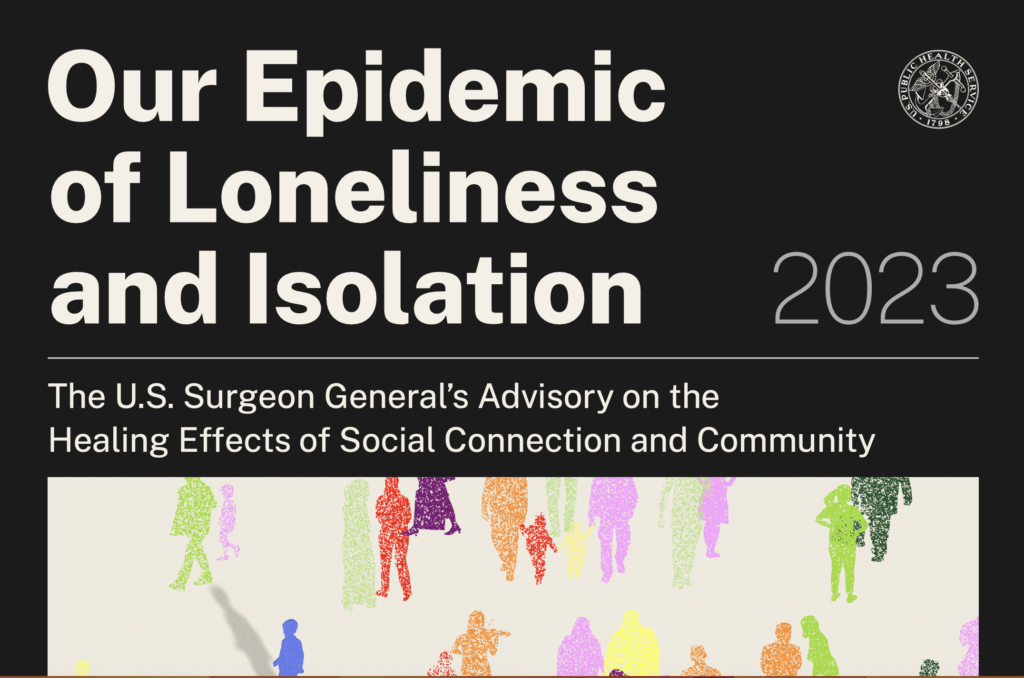
In 2023, U.S. Surgeon General Dr. Vivek Murthy issued a landmark advisory declaring loneliness an epidemic, noting that approximately half of American adults report experiencing measurable levels of loneliness. This aligns with global data from the World Health Organization (WHO), which estimates that around one in six people worldwide (approximately 16%) experience loneliness, with higher rates among adolescents and young adults. By 2025-2026 reports, these figures remain stubbornly high, underscoring a persistent crisis that predates but was exacerbated by the COVID-19 pandemic.

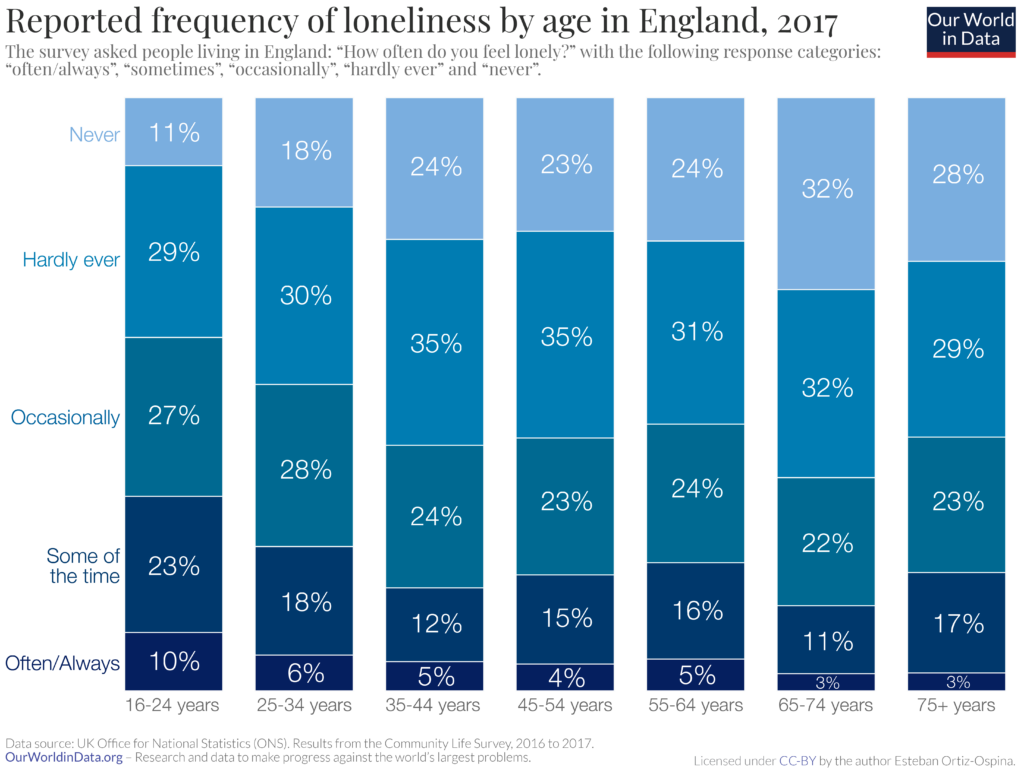
The epidemic affects all demographics, but patterns vary. Young adults aged 18-34 often report the highest rates, with nearly half in some multi-country studies feeling lonely. Older adults face risks tied to life transitions like retirement or loss of loved ones, though prevalence can be lower in absolute terms (around 11-12% in some estimates). Gender differences appear nuanced: some polls show young men reporting higher daily loneliness, while others indicate comparable rates across genders overall, with variations by sexual orientation, income, and other factors. Marginalized groups, including LGBTQ+ individuals and those in lower income brackets, consistently show elevated risks.
This article explores the roots of the loneliness epidemic, its multifaceted concerns, and evidence-based solutions. Drawing on data from the U.S. Surgeon General, WHO, and recent studies, it aims to provide a comprehensive overview while highlighting actionable steps at individual, community, and systemic levels. The scale demands urgent attention: loneliness is not merely uncomfortable—it is deadly, costly, and corrosive to society.
Understanding Loneliness: Definitions and Measurement
Loneliness is subjective. As the Surgeon General’s advisory explains, it stems from the discrepancy between one’s preferred social connections and reality. Social isolation, by contrast, refers to the objective lack of relationships or interactions. Someone can be surrounded by people yet feel profoundly lonely, or live alone without distress if their needs for connection are met.

Measurement typically relies on self-reported scales like the UCLA Loneliness Scale or single-item questions in large surveys (e.g., “How often do you feel lonely?”). These capture frequency and intensity. Global estimates vary due to methodological differences, but trends are clear: loneliness has risen over decades, with acceleration in recent years. In the U.S., pre-pandemic data already showed about 50% of adults affected, with spikes during lockdowns. Worldwide, the WHO notes peaks among teens (around 21% for ages 13-17) and young adults.
Cultural factors influence reporting. In individualistic societies, personal achievement may overshadow communal bonds, amplifying perceived deficits. In collectivist cultures, stigma around admitting vulnerability can suppress disclosure. Despite these nuances, the biological and psychological universality of the need for connection makes loneliness a cross-cultural issue.
Root Causes of the Loneliness Epidemic
The epidemic results from a confluence of structural, technological, economic, and cultural shifts. No single factor is solely responsible, but their interaction creates a perfect storm.

Technological and Digital Transformation: The rise of social media and digital communication promised greater connection but often delivered the opposite. Platforms encourage passive scrolling and comparison, fostering feelings of inadequacy. Excessive screen time displaces face-to-face interactions. Surveys identify technology as a top contributor (cited by 73% in one U.S. poll). While digital tools can bridge distances, they frequently lack the depth of in-person exchanges, leading to “connected but alone” experiences.

The pandemic accelerated reliance on virtual interactions, but post-pandemic data shows incomplete recovery. Remote work, while flexible, reduces casual workplace camaraderie. Studies link higher social media engagement to increased loneliness, particularly among youth.
Decline of Third Spaces and Community Institutions: “Third spaces”—places like cafes, parks, libraries, churches, and civic clubs outside home and work—have eroded. Suburban sprawl, car-centric design, and economic pressures limit access. Participation in religious organizations, unions, and clubs has declined. Only about 3 in 10 Americans know most of their neighbors, weakening local bonds.

Urbanization and frequent mobility disrupt roots. People move more for jobs, leading to shallower networks. Smaller families and geographic dispersion of relatives compound this.
Economic and Work Pressures: Overwork, gig economy precarity, and long hours leave little time for relationships. 62% of respondents in one survey cited being “overworked, too busy, or tired” as a key factor. Economic inequality exacerbates isolation; lower-income individuals face higher barriers to social activities. Financial stress correlates with mental health challenges that hinder connection.
Remote and hybrid work, while beneficial for some, reduces organic interactions. The “friendship recession” is evident: the share of men with at least six close friends dropped significantly over decades.
Cultural and Societal Shifts: Rising individualism prioritizes self over community. Polarization makes cross-difference interactions stressful. Stigma around vulnerability, especially for men, discourages seeking support. Demographic changes, including aging populations and delayed milestones (marriage, children), alter traditional support structures.
Helicopter parenting and safety concerns limit unstructured play for children, potentially impairing social skill development. Broader mental health challenges create a feedback loop: loneliness worsens mental health, which further isolates.
Pandemic Aftermath: COVID-19 physically distanced people, accelerating trends. While acute effects faded, habits like increased screen time and wariness of gatherings persisted for many.
These causes are interconnected. Technology amplifies economic pressures by enabling always-on work cultures, while cultural individualism reduces incentives to rebuild third spaces.

Major Concerns: Health, Societal, and Economic Impacts
The concerns extend far beyond emotional discomfort. Loneliness is a public health hazard comparable to smoking or obesity.
Physical Health Risks: Poor social connection increases premature death risk by 26-29%, akin to smoking 15 cigarettes daily. It elevates chances of heart disease (29%), stroke (32%), type 2 diabetes, and dementia (50% in older adults). Mechanisms include chronic inflammation, weakened immune function, and unhealthy behaviors (poor diet, inactivity, substance use). Loneliness correlates with higher pain perception and chronic conditions.
Mental Health Toll: Loneliness doubles depression risk and heightens anxiety, suicidal ideation, and distress. 81% of lonely adults report anxiety or depression versus 29% of non-lonely. It impairs cognitive function and exacerbates existing conditions. Young people face acute risks, with loneliness linked to lower academic performance.
Societal and Community Impacts: Widespread loneliness erodes trust, civic engagement, and resilience. Isolated individuals may turn to harmful groups for belonging. Polarization thrives in low-connection environments. Schools and workplaces suffer from reduced productivity, engagement, and performance. Crime and safety concerns can rise in disconnected neighborhoods.
Economic Costs: Healthcare burdens are substantial. Social isolation among older adults adds billions in Medicare spending annually. Employers face absenteeism, turnover, and lost productivity (e.g., $154 billion yearly in the U.S. from related stress). Reduced workforce participation and human capital development hinder growth. Broader societal costs include strained social services and lost tax revenue.
Disparities amplify concerns. Marginalized communities face compounded risks, perpetuating inequities. The epidemic threatens population-level healthspan and longevity.
Possible Solutions: A Multi-Level Approach
Addressing loneliness requires coordinated action. Solutions span individual behaviors, community initiatives, technological innovations, and policy reforms.
Individual-Level Strategies: Simple actions yield benefits. Regular outreach to family and friends, practicing self-compassion, forgiveness, and helping others build connections. Joining clubs, hobbies, or volunteering fosters purpose and interaction. Mindfulness, exercise, and limiting passive social media use help. Seeking professional support for underlying mental health issues is crucial. Small habits—like neighborhood walks or shared meals—accumulate.
Community and Local Interventions: Reviving third spaces is key. Investing in public parks, community centers, libraries, and events promotes interaction. Intergenerational programs (e.g., pairing youth with seniors) bridge gaps. Local initiatives like walking clubs, book groups, or meal-sharing reduce isolation. Faith-based and civic organizations play vital roles. Improving public safety and green spaces enhances accessibility.
Workplaces can implement connection-focused policies: in-person collaboration days, mentorship programs, and mental health support. Schools should prioritize social-emotional learning.
Technological Solutions: Digital tools must be designed thoughtfully. Apps for local meetups, virtual support groups, or AI companions (with human oversight) show promise, especially for older adults or those with mobility issues. However, technology should supplement, not replace, in-person bonds. Regulations on addictive algorithms and promotion of “pro-social” features could help.
Policy and Systemic Changes: Governments can lead. The U.S. National Strategy to Advance Social Connection outlines pillars including infrastructure, public awareness, and research. Policies might include:
- Urban planning favoring walkable, mixed-use communities.
- Workplace regulations for better work-life balance.
- Healthcare integration of social connection screening.
- Funding for community programs and anti-stigma campaigns.
- Education reforms emphasizing relationship skills.
International examples, like the UK’s loneliness strategy or Japan’s legislation, provide models. Economic incentives for employers and investments in affordable housing near amenities support implementation.
Research and Measurement: Standardizing definitions and tracking progress via national surveys enables evidence-based adjustments. Longitudinal studies on interventions are needed.
Challenges include scalability, funding, and cultural resistance. Success requires collective will—viewing connection as infrastructure akin to roads or broadband.
Conclusion: Rebuilding the Social Fabric
The loneliness epidemic reflects deep societal transformations but is not inevitable. Its causes—technological, economic, cultural—are human-made and thus addressable. The concerns are severe: diminished health, fractured communities, and economic drag. Yet solutions exist, emphasizing reconnection at every level.

Progress demands shifting from individualism to interdependence. Individuals can start small; communities can nurture spaces; policymakers can prioritize connection as a core determinant of health. By investing in relationships, we enhance not only longevity and productivity but also the joy and meaning that define human experience.

The path forward is clear: measure, intervene, evaluate, and iterate. With sustained effort, societies can heal the disconnection wrought by modernity, fostering a future where no one feels profoundly alone. The spark of human connection endures—it awaits only our collective commitment to fan it back into flame.