
Related Topic – What Killed Date Movies?

The Fade of Flesh: How Softcore Teen Movies Died and Left Us Longing
By damnedcomic
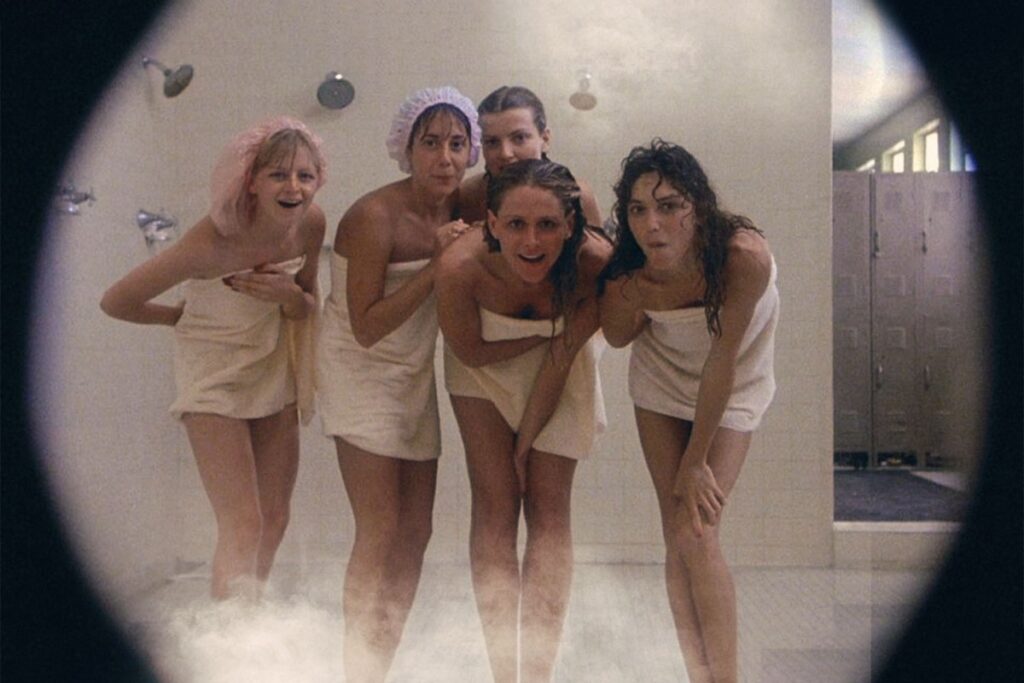
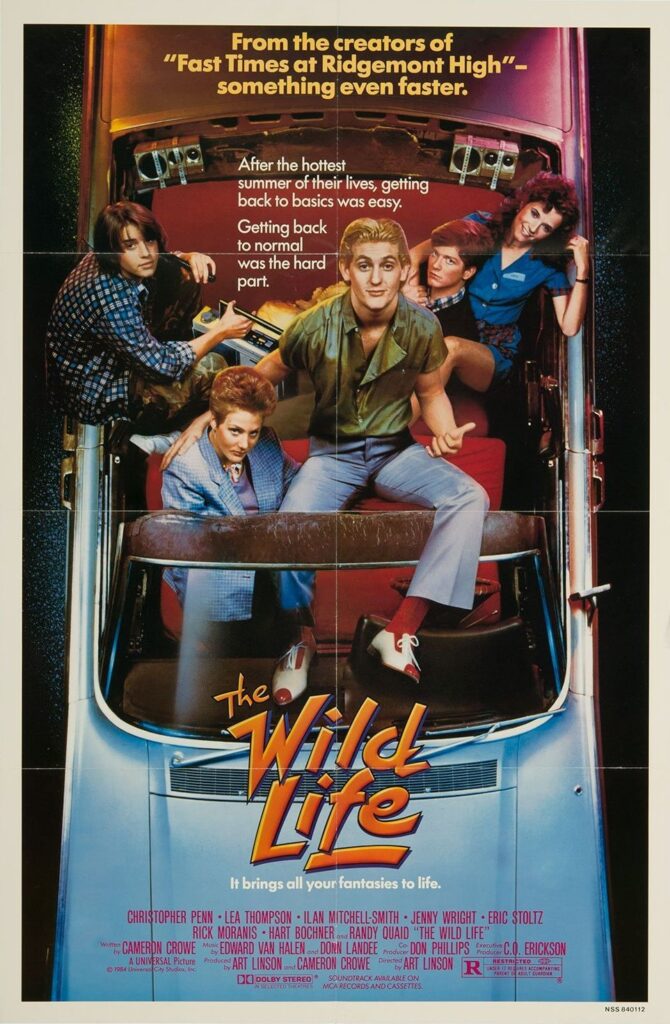
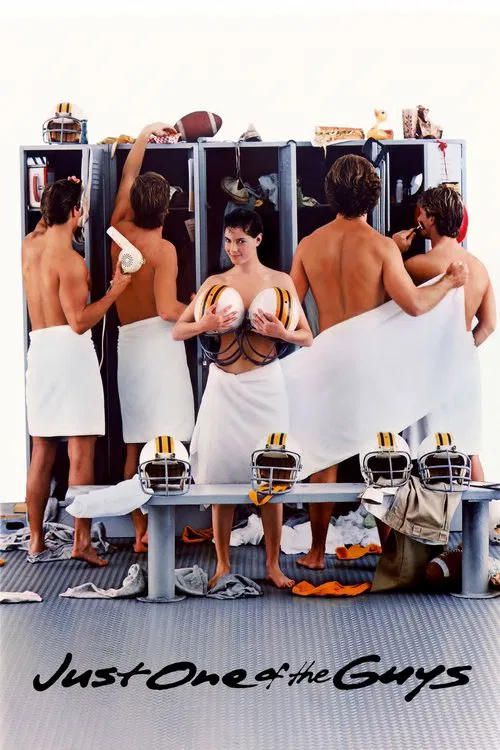
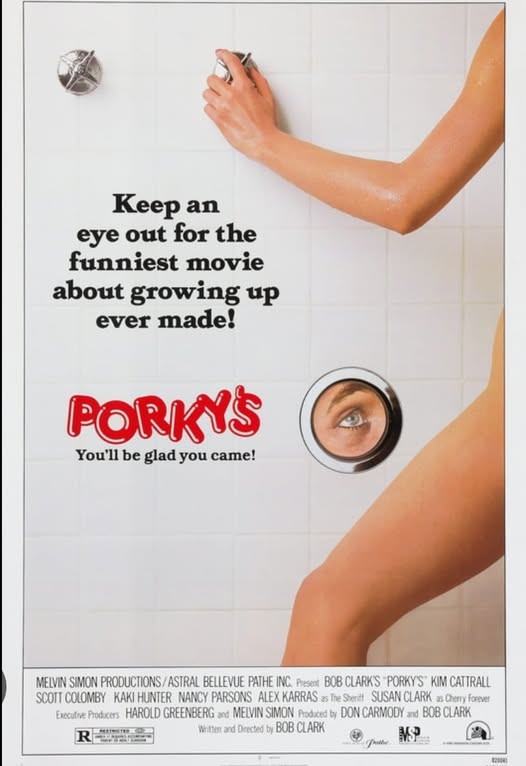
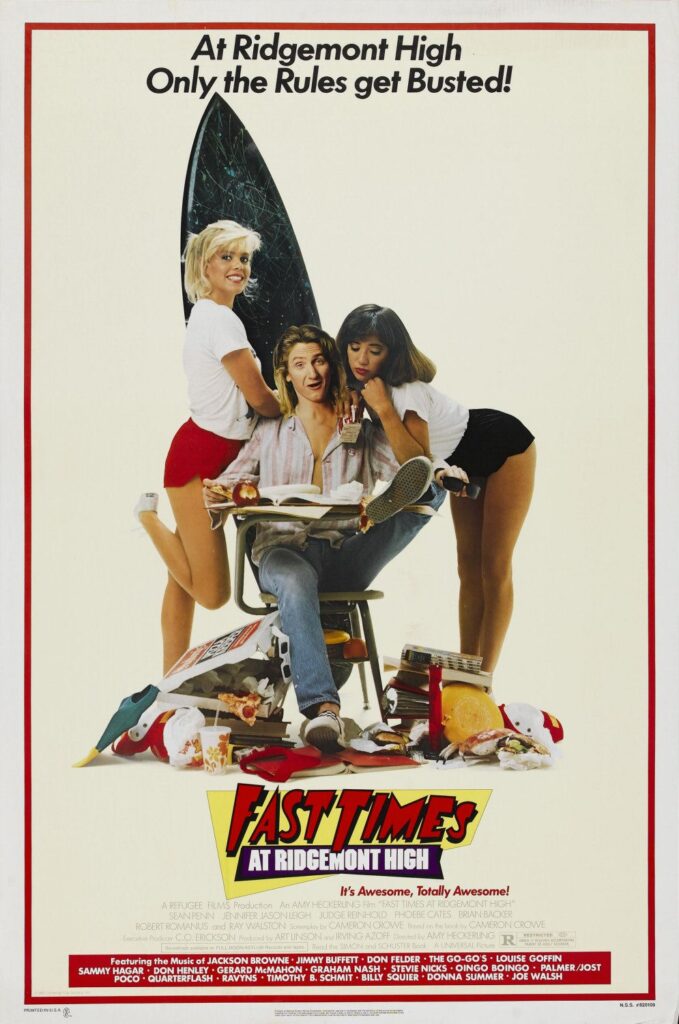
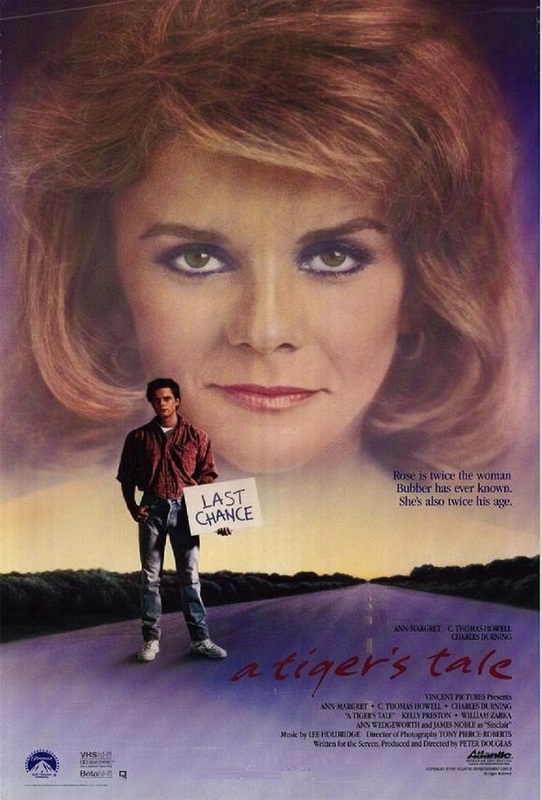
In the haze of the 1970s, ’80s, and early ’90s, American cinema embraced a cheeky, unapologetic celebration of teenage lust. Softcore teen movies weren’t just entertainment—they were cultural rites of passage, blending awkward humor, coming-of-age angst, and lingering shots of bare skin that captured the messy thrill of sexual discovery. Films like Porky’s (1981), with its infamous shower-peeping antics, Fast Times at Ridgemont High (1982), immortalized by Phoebe Cates’ slow-motion bikini emergence, and raunchy ensembles such as Revenge of the Nerds and the later American Pie (1999), defined an era. These weren’t hardcore porn; they were mainstream gateways to fantasy, playing in theaters and later on VHS, where viewers could pause, rewind, and replay the titillating moments.
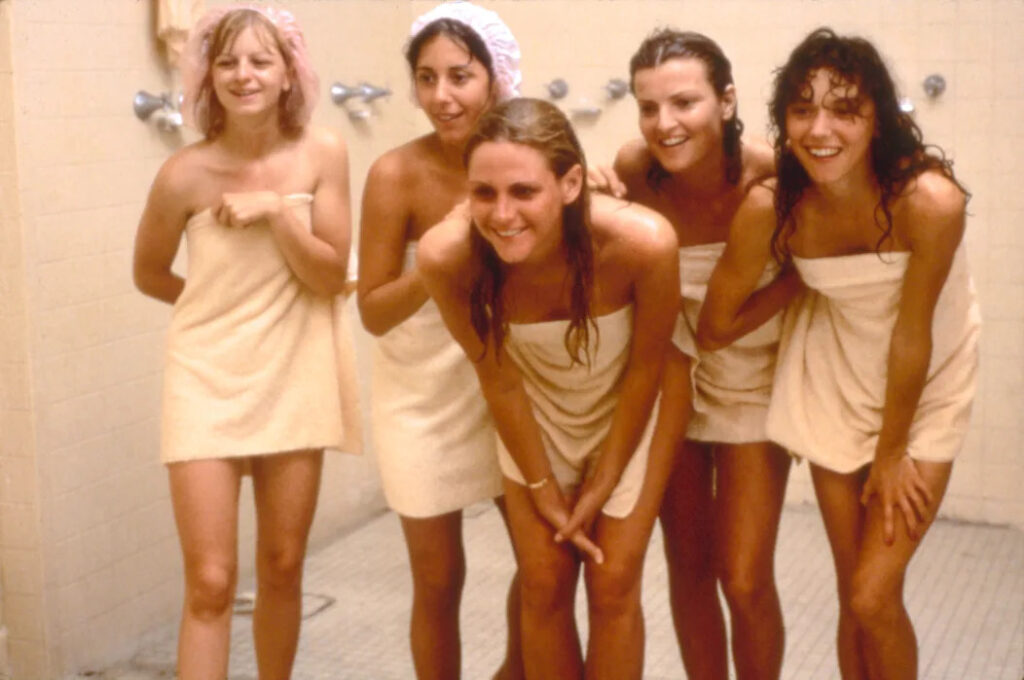
These movies thrived in a post-sexual revolution landscape. The birth control pill had decoupled sex from inevitable consequences, feminism was challenging old taboos, and a booming teen demographic—fueled by baby boomers’ offspring—meant studios could profit from drive-in double features and multiplex matinees. Nudity felt playful rather than exploitative: locker room hijinks, backseat fumblings, and spontaneous hookups mirrored a society experimenting with freedom. Drive-in theaters became make-out havens, where couples mirrored the on-screen passion under starry skies. Romance and raw desire coexisted with comedy, fostering a cultural narrative that dating was fun, exploratory, and physical. Young people met organically at malls, parties, and parking lots, unmediated by algorithms.
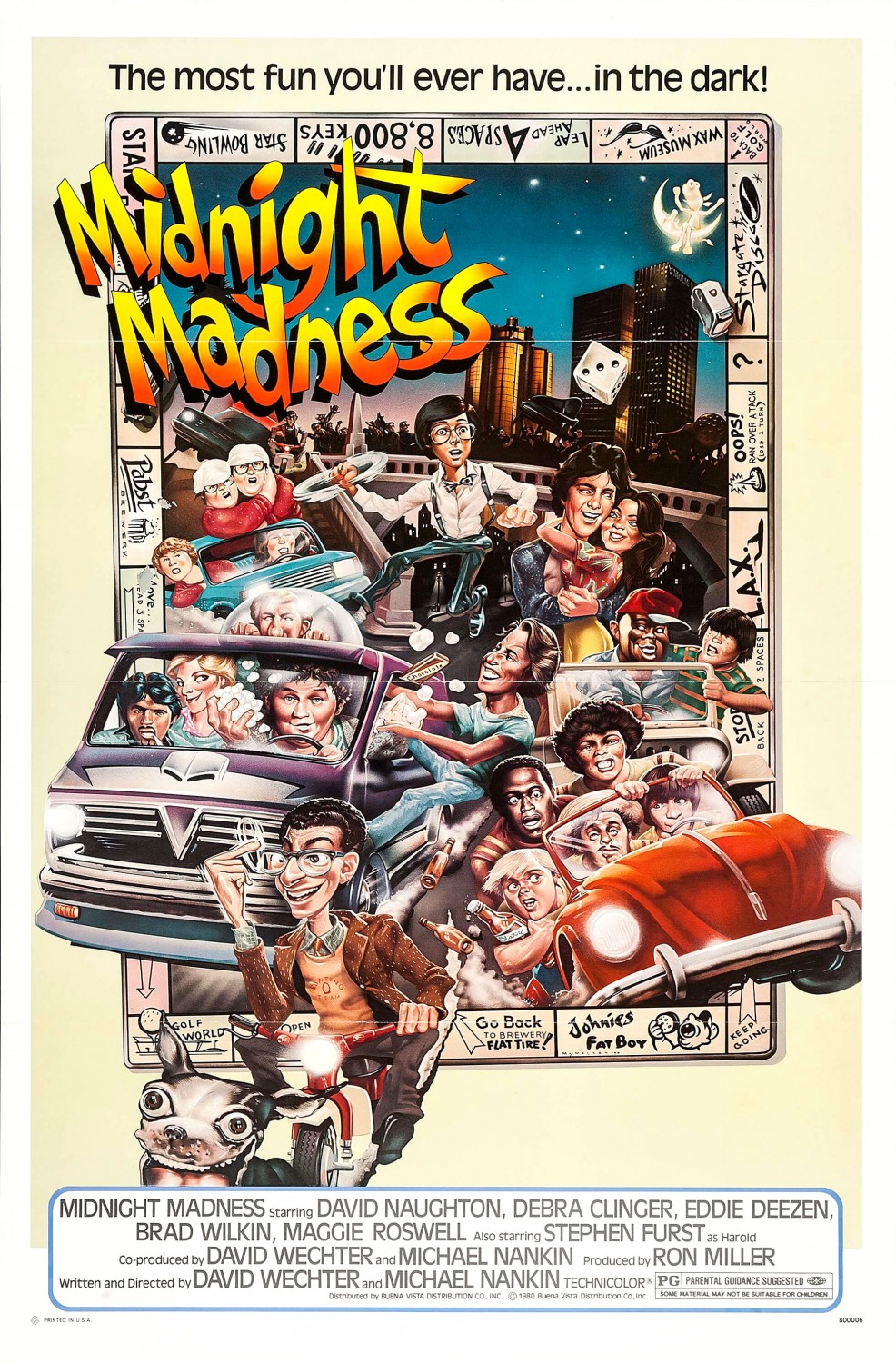
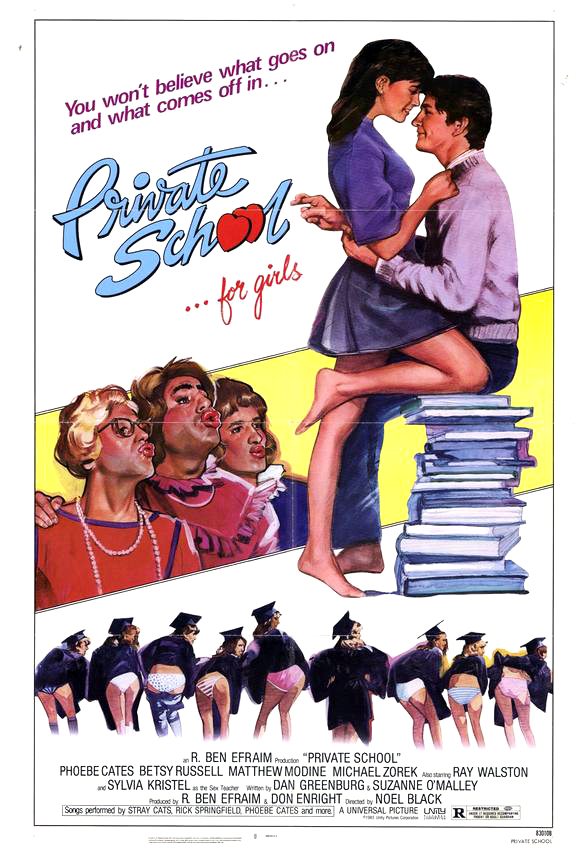
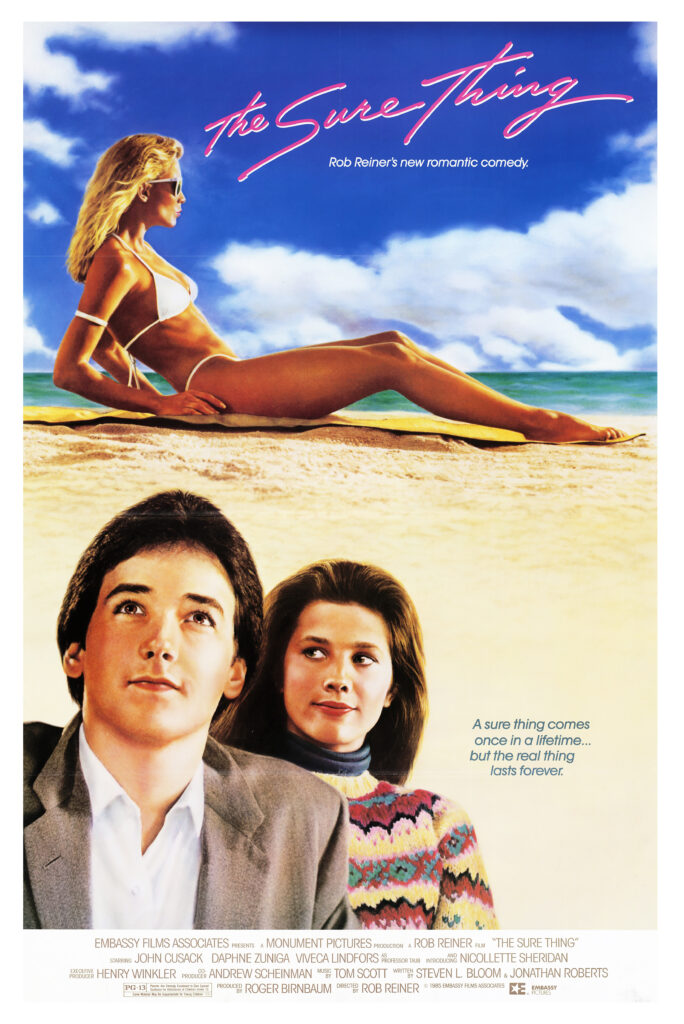
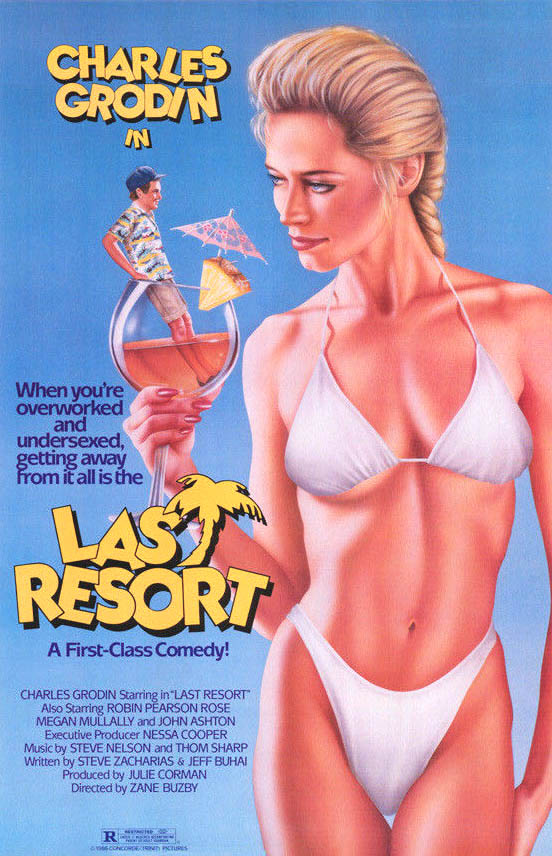
Yet, this golden age of softcore teen flicks faded by the late 1990s and early 2000s. What killed it? A confluence of technological disruption, cultural backlash, corporate priorities, and shifting anxieties.
The internet delivered the fatal blow. As broadband spread in the mid-to-late ’90s, free hardcore pornography became instantly accessible. Why settle for a teasing shower scene when endless explicit variety awaited at the click of a mouse? Platforms that evolved into today’s giants desensitized audiences, turning once-thrilling glimpses into relics. Studies on media effects highlight how hyper-accessible porn rewires neural pathways, prioritizing novelty and extreme stimulation over the slower burn of narrative seduction. Softcore lost its provocative edge when the real thing was ubiquitous.
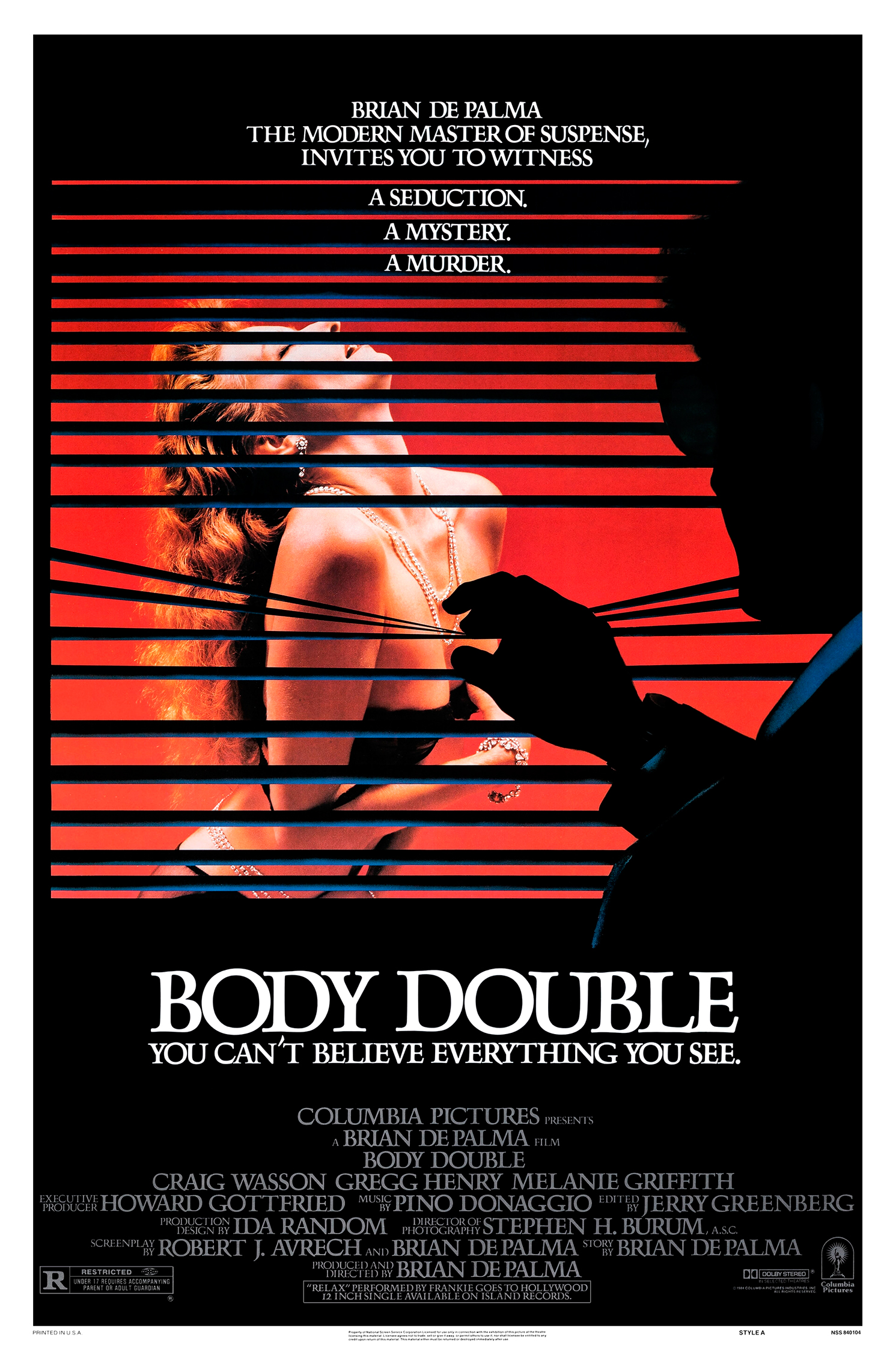
Cultural and regulatory shifts compounded the decline. The MPAA tightened ratings amid parental advocacy and growing sensitivity to consent issues. Scenes once laughed off as harmless hijinks—voyeurism, persistent pursuit—now face retrospective scrutiny. The #MeToo movement accelerated this reevaluation, making studios cautious about “problematic” content. Reboots or homages risk cancellation for outdated tropes. Meanwhile, helicopter parenting, fears of school violence, and the AIDS crisis (lingering from the ’80s) cultivated a more risk-averse youth culture. Spontaneity gave way to curated online personas.
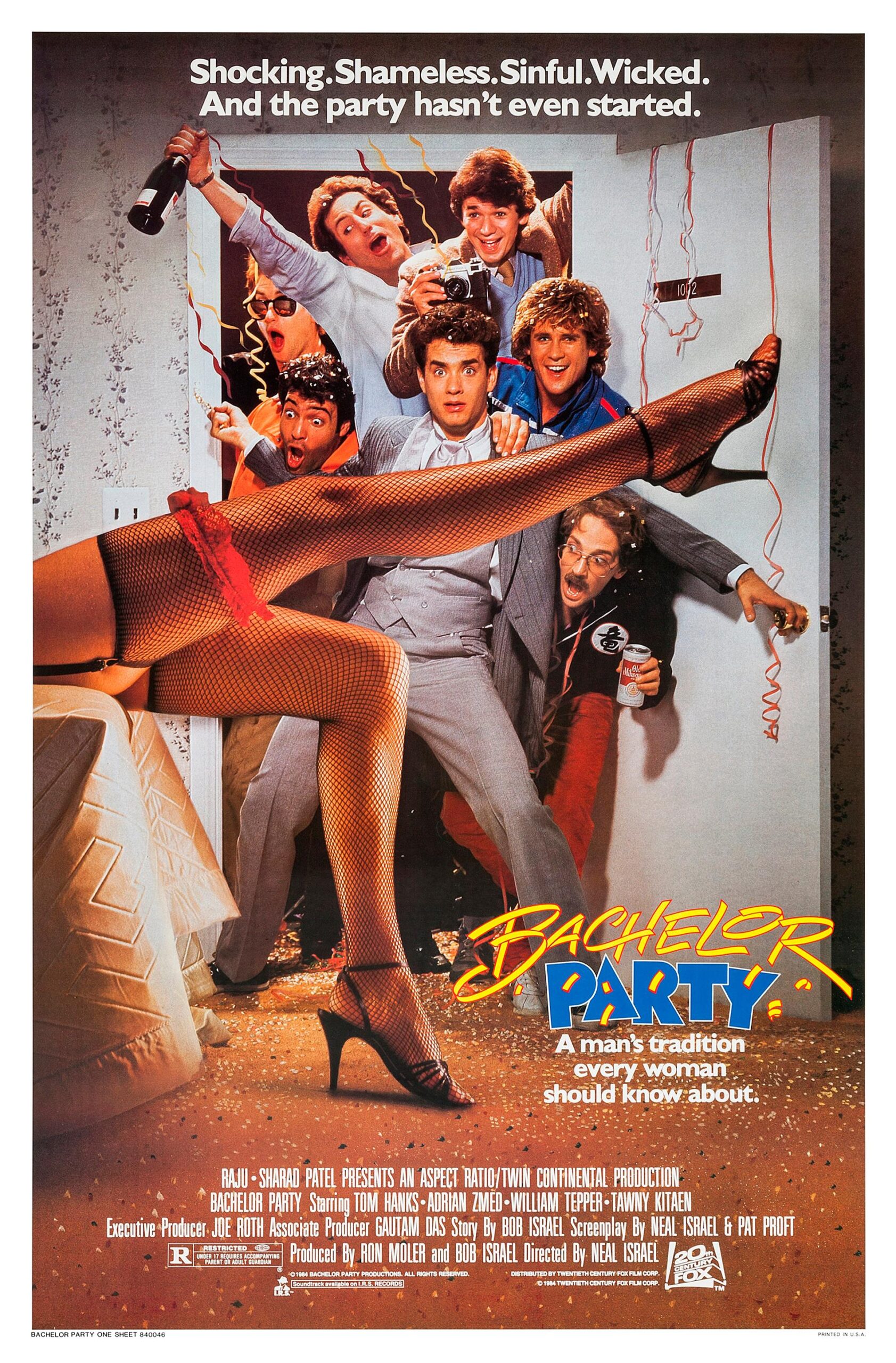
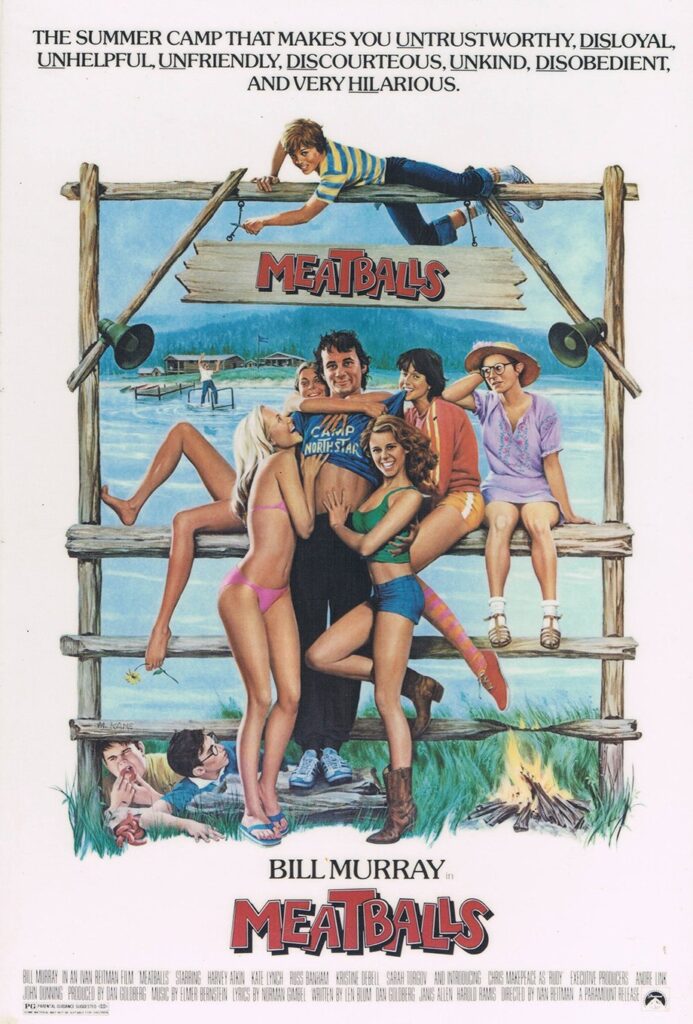
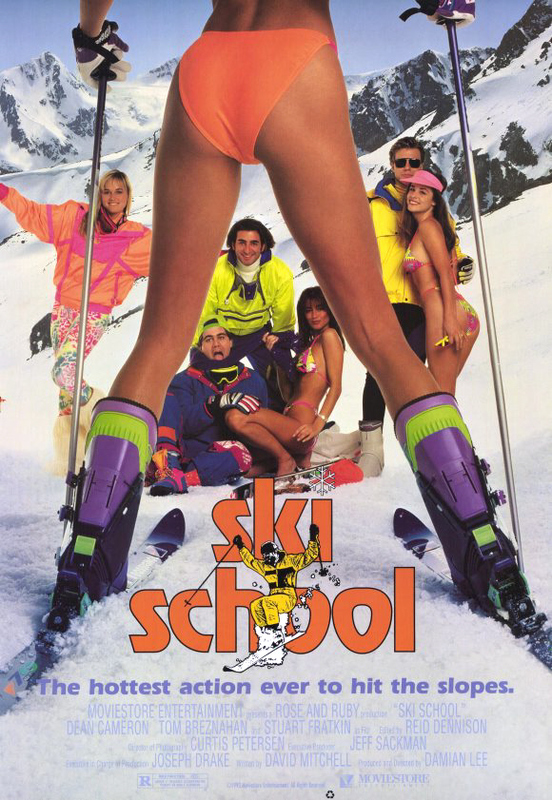
Corporate Hollywood pivoted toward safer bets: CGI blockbusters, YA franchises like Twilight and The Hunger Games, and self-aware raunch that poked fun at its own conventions (Superbad, 2007, as a transitional swan song). Low-budget teen comedies yielded to high-concept spectacles. The blending of horror and sex in slashers also evolved into “torture porn” like Saw, favoring graphic violence over sensual vulnerability.
The societal ripple effects run deep. These films once normalized sexual curiosity as a shared, human experience. They demystified bodies and desire, even as they reinforced certain gender stereotypes. In their absence, a vacuum emerged. Hyper-pornography correlates with unrealistic expectations, relationship dissatisfaction, and difficulties with real-world intimacy—issues like porn-induced erectile dysfunction in younger men. Shared cultural touchstones of youthful exploration vanished, replaced by fragmented digital experiences.
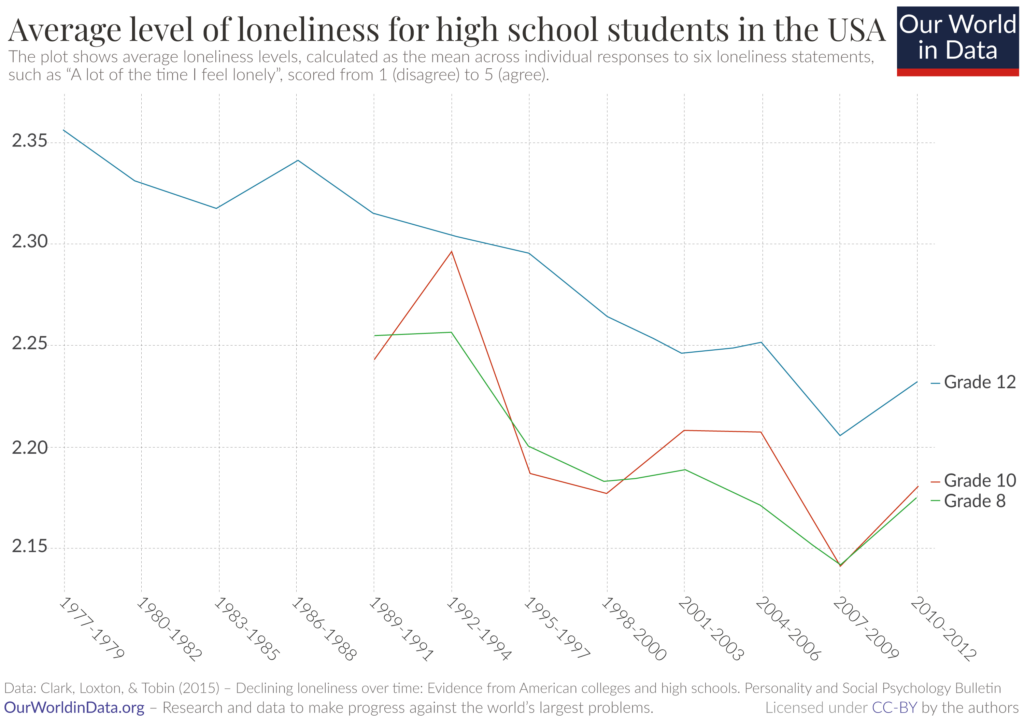
This ties directly into today’s loneliness epidemic. Surgeon General reports and extensive data paint a stark picture: nearly half of U.S. adults report measurable loneliness, with young adults (18-29) among the hardest hit. In-person social time for teens and young adults has plummeted—by nearly 70% for ages 15-24 in recent decades—displaced by screens. Dating apps gamify connection, offering endless choice but fostering paradox: more options, more rejection, more isolation. Declining marriage and birth rates, record numbers of singles, and reduced sexual activity among youth reflect a broader withdrawal from the “free and easy” scene of yesteryear.
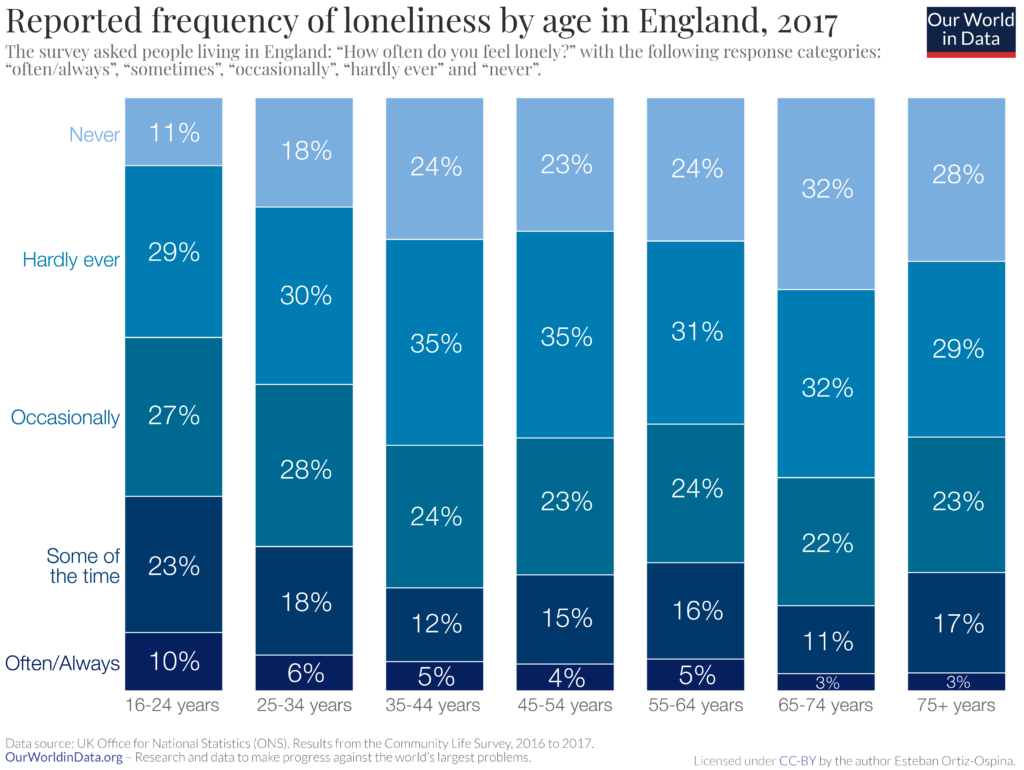
Did we change, or did media trade romance for violence? Both. Humans remain wired for connection, but modernity—economic precarity, individualism, social media’s highlight reels—eroded third spaces for organic interaction. Media amplified the shift: post-9/11 fears fueled action spectacles and desensitizing gore, while romance became niche or ironic. Softcore teen movies embodied eros—life-affirming, awkward, connective desire. Violence sells in anxious times, offering catharsis without the vulnerability of intimacy. Yet, this exchange has costs: reduced empathy, hollow substitutes for touch, and generations navigating identity through filters rather than fumbling real encounters.
A Thoughtful Reckoning: Reclaiming the Spark
In reflecting on this cultural pivot, we confront uncomfortable truths. The death of softcore teen cinema symbolizes a larger retreat from embodied sensuality. Where once media invited us to laugh at—and learn from—youthful horniness, today’s landscape often isolates through overstimulation or sanitized escapism. The loneliness epidemic isn’t inevitable; it’s the byproduct of choices: prioritizing convenience over courage, pixels over presence, spectacle over seduction.
Reversing it demands intentionality. Foster real-world spaces—community events, unplugged gatherings, even revived drive-ins—that encourage vulnerability. Media could rediscover nuance: stories celebrating mutual desire without extremes. As individuals, we reclaim agency by setting boundaries with screens, pursuing hobbies that connect bodies and minds, and embracing the messy beauty of offline romance.
Ultimately, those old films remind us that desire thrives in context—in shared laughter, tentative touches, and the thrill of the unknown. Society hasn’t outgrown that need; we’ve merely misplaced it amid the noise. By mourning what was lost and thoughtfully rebuilding, we might rediscover a freer, less lonely path—one where curiosity and connection once again take center stage. The spark never truly dies; it waits for those bold enough to fan it back to life.