
Expanded Historical Precedents: Brothel Regulations from Antiquity to the Modern Era – Structure, Safety, and the Perils of Crackdowns
By damnedcomic
The regulation of brothels is not a modern invention but a recurring societal strategy dating back millennia. Across cultures, authorities recognized male sexual demand as persistent and sought to manage it through licensing, zoning, health oversight, and taxation—treating prostitution as a “necessary evil” (echoing St. Augustine’s 4th-century rationale: better a contained outlet than widespread rape or societal disorder). These systems provided workers limited protections, generated public revenue, and kept activity visible and accountable. Yet history repeatedly shows that aggressive crackdowns—driven by moral reform, religious fervor, or public health panics—did not eliminate demand. Instead, they drove it underground, escalating violence against women, empowering criminal intermediaries, and birthing secretive elite networks insulated from oversight.
Ancient Foundations: Legalized and Licensed in Rome (and Earlier Influences)
In ancient Rome, prostitution was fully legal, licensed, and taxed—far from the clandestine vice of later eras. Brothels (lupanars, from lupa or “she-wolf”) operated under the oversight of aediles (municipal officials). Owners (lenones) required a licentia stupri (license for debauchery), paid a special sex tax introduced by Caligula (and enduring nearly 450 years), and maintained price lists often posted publicly. The Lupanar in Pompeii (buried in 79 CE) exemplifies this: a purpose-built two-story structure with five small ground-floor cubicles, each featuring a masonry bed, erotic frescoes above doorways advertising services, and graffiti recording client praise or complaints. Prostitutes—often enslaved or freedwomen—were registered; the state benefited from visibility and taxation while containing activity to designated zones.
Greek precedents influenced Rome: Solon (c. 590 BCE) established state dicta (brothels) with fixed low prices (one obol per session) to democratize access and curb elite excesses. These were public, not hidden, reducing random street predation. Roman regulations emphasized hygiene (basic) and order; adultery laws protected freeborn women, channeling demand to licensed venues. Archaeological evidence from Pompeii shows no widespread underground alternatives—regulation worked as a safety valve. Crackdowns were rare and localized; when they occurred (e.g., occasional moral edicts), activity simply shifted to unregulated fornices (cellars), foreshadowing later patterns of increased coercion.
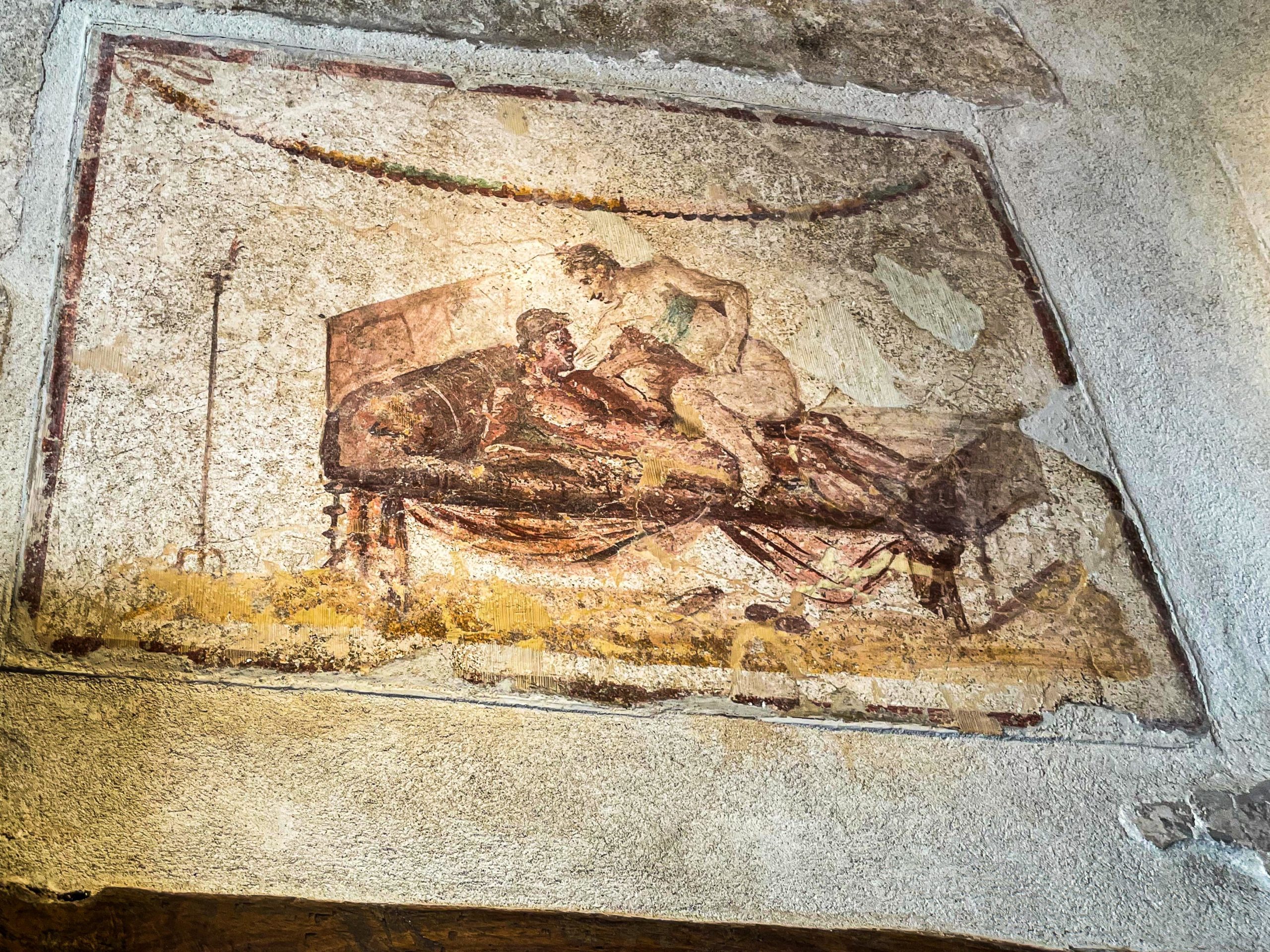
blainebonham.comThe Brothels of Pompeii | Photography | Blaine Bonham
Erotic fresco above a doorway in Pompeii’s Lupanar, illustrating advertised services in a regulated Roman brothel. (Blaine Bonham Photography archive).
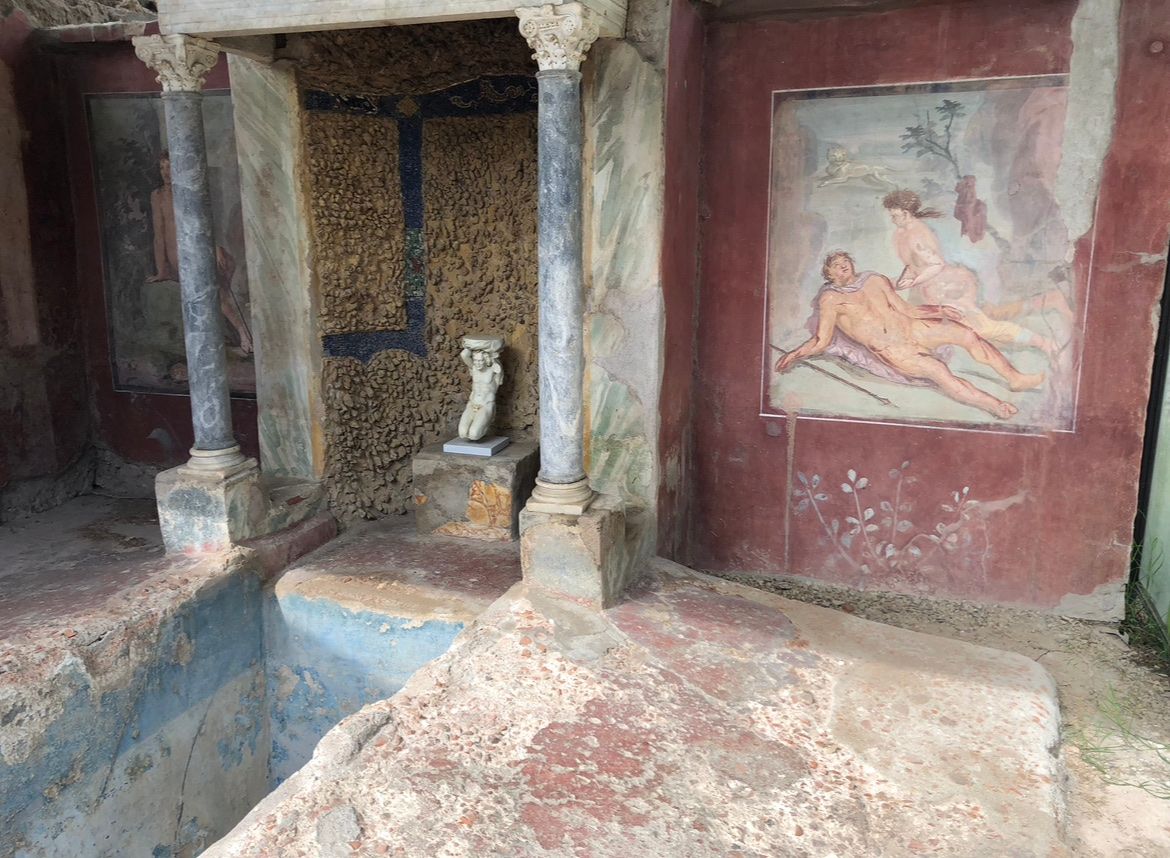
atlasobscura.comThe Brothels of Pompeii in Pompeii | Atlas Obscura
Interior of a Pompeii Lupanar cubicle with masonry bed and fresco—evidence of structured, licensed operations. (Atlas Obscura / excavation records).
Medieval Europe (1300–1500): The Era of Municipal “Necessary Evil” Brothels
The High and Late Middle Ages marked the zenith of regulated municipal brothels across continental Europe. Influenced by Augustine’s doctrine, cities viewed prostitution as inevitable and thus best contained. Municipalities in Germany, northern Italy, southern France, the Low Countries, Iberia, and parts of England owned, licensed, or taxed brothels—often purchasing properties outright and leasing them to keepers under strict oaths.
In German towns (e.g., Nuremberg, 1470 regulations), brothels operated with detailed rules: keepers swore public oaths to God (binding them legally, as the role was “defiled”); prostitutes could not be beaten or exploited via debt; daily client limits were enforced; and women could report abuses directly to city councils. A 1471 Nördlingen investigation exemplifies accountability—reforms followed worker testimonies. Venice established its Rialto municipal brothel in 1403 with similar client caps, anti-violence clauses, and revenue sharing. Florence used brothels explicitly to deter sodomy among young men.
England diverged slightly but followed suit in practice: London’s Bankside “stews” in Southwark were owned by the Bishop of Winchester (authorized by Henry II in 1161). These licensed houses lay outside city walls, taxed by the Church, and subject to ordinances barring married men, clergy, and Jews while protecting workers from arbitrary arrest. Brothels generated significant municipal income and shielded “honorable” women from street solicitation. Across Europe, red-light districts were zoned; prostitutes sometimes lived in the houses for oversight.
These systems offered tangible protections: legal status reduced harassment, and visibility allowed authorities to monitor disease or exploitation. Historians note lower reported street violence during peak regulation periods. Yet even minor crackdowns (e.g., London 1310–1417 edicts) displaced workers into private homes or alleys, increasing isolation and vulnerability—precisely the dynamic that later fueled secret societies.
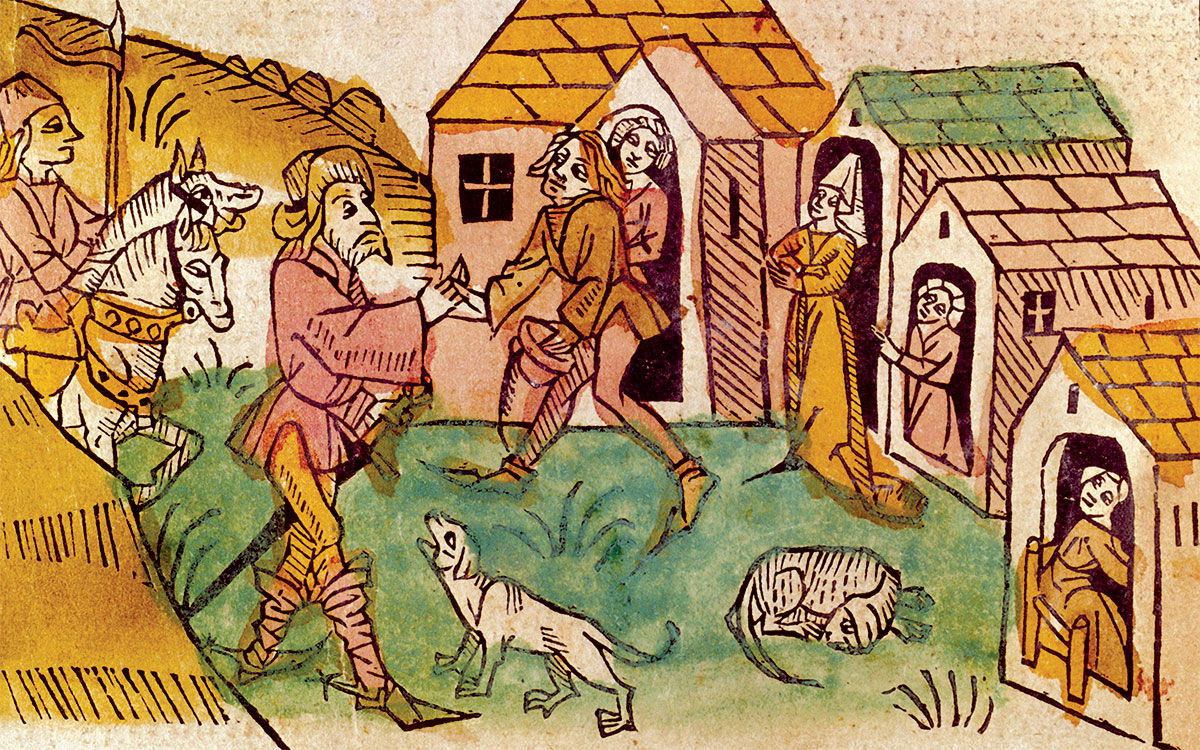
historytoday.com Inside the Medieval Brothel | History Today
Medieval illustration of a regulated brothel scene, showing structured interactions under municipal oversight. (History Today / period manuscript archive).
Reformation and Early Modern Shift (1500s–1700s): Mass Closures and the Underground Rebound
The Protestant Reformation triggered widespread closures, reframing brothels as moral corruption. Southern German towns shuttered municipal houses en masse by the mid-16th century (e.g., Augsburg 1532). Civic leaders, now prioritizing religious purity, banned regulated outlets—yet demand persisted. Testimonies from Nördlingen reveal women forced into clandestine arrangements; violence and disease spiked as victims lost legal recourse. Across Europe, the pattern held: prohibition did not eradicate sex work but drove it into private salons, bathhouses, and invitation-only gatherings.
This vacuum birthed early secret societies. 18th-century Hellfire Clubs—elite gatherings of aristocrats in Britain and Ireland—emerged as private debauchery dens, evading public scrutiny. Regulation’s absence empowered the powerful to operate without oversight, a precursor to modern elite networks.
Victorian Era and the Contagious Diseases Acts (1860s–1880s): Medical Regulation Meets Moral Backlash
19th-century Britain attempted hybrid regulation via the Contagious Diseases Acts (1864, 1866, 1869). Aimed at protecting the military from venereal disease, these laws targeted port and garrison towns. Police could arrest any woman “suspected” of prostitution (no evidence required), force invasive medical exams, and confine the infected to lock hospitals for up to nine months. Brothels were indirectly regulated via surveillance; registered women carried “tickets” proving compliance.
Proponents claimed public health gains, but enforcement was abusive—plainclothes “spy police” targeted poor women indiscriminately. No equivalent checks applied to male clients. The Acts sparked fierce feminist backlash (Josephine Butler’s Ladies’ National Association), exposing double standards. Repealed in 1886 after parliamentary votes, the laws’ failure highlighted regulation’s limits when one-sided. Post-repeal, brothel raids intensified under moral crusades, dispersing activity and correlating with rises in street violence and clandestine elite clubs.

en.wikipedia.org Lock hospital – Wikipedia
Satirical 1802 print critiquing lock hospital conditions under early venereal disease regulations, foreshadowing Victorian CD Acts controversies. (Public domain historical cartoon archive).
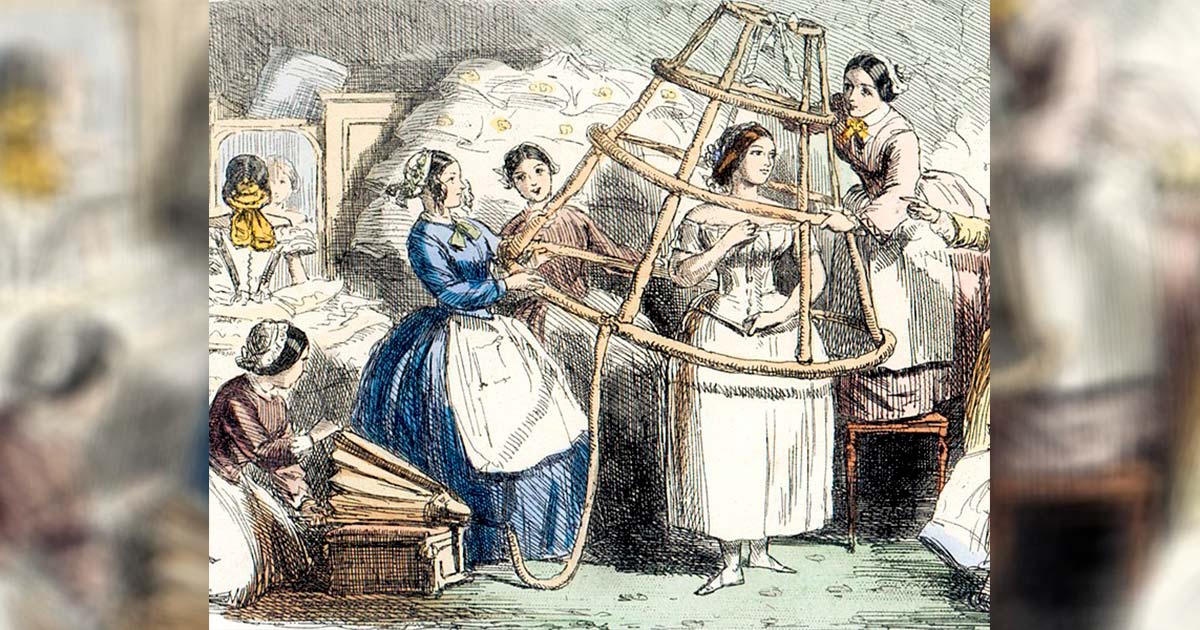
historicmysteries.com The Contagious Diseases Act: Sexism Disguised as Medicine? – Historic Mysteries
Illustration of a forced medical examination under the Contagious Diseases Acts—symbolizing the era’s intrusive regulation. (Historic Mysteries / period engraving).
American Example: Storyville, New Orleans (1897–1917)
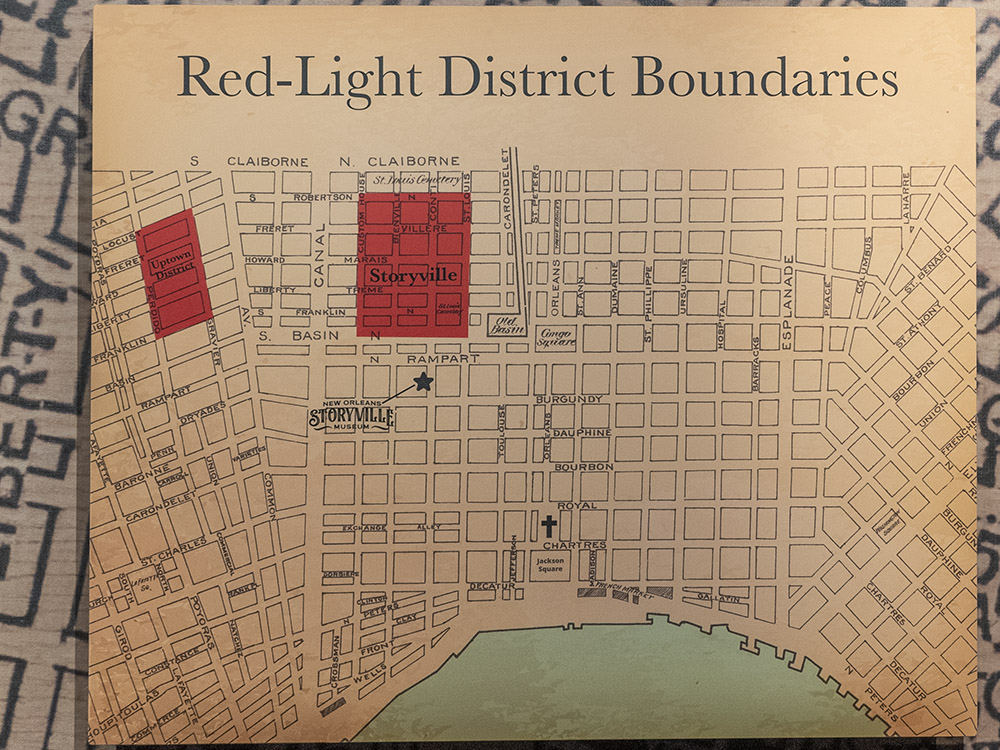
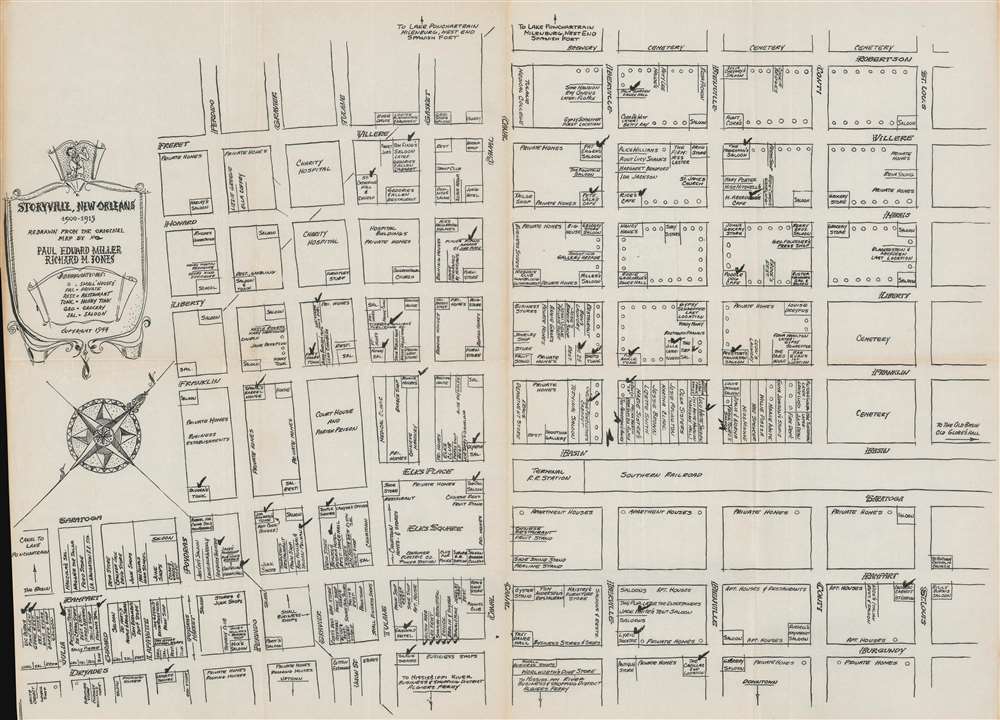
The United States briefly embraced regulation in New Orleans’ Storyville district. Alderman Sidney Story’s 1897 ordinance confined prostitution to 16 blocks, creating America’s only legal red-light zone. Over 230 brothels and nearly 2,000 workers operated under city oversight—zoned, taxed, and policed. Lavish mansions coexisted with modest “cribs”; jazz music thrived in saloons. The district generated revenue and contained vice away from “respectable” areas.
Closure came in 1917 via federal Navy order (prostitution banned near military bases). Activity dispersed citywide; violence and underground operations surged. Historians link post-Storyville spikes in assaults to the loss of regulated outlets.
heartoflouisiana.com Storyville – New Orleans’ Red Light District | The Heart of Louisiana
Map of Storyville’s boundaries, illustrating the zoned, regulated red-light district. (Heart of Louisiana / historical museum exhibit).
geographicus.com Storyville, New Orleans 1900 – 1915.: Geographicus Rare Antique Maps
Detailed 1900–1915 map of Storyville brothels and establishments. (Geographicus Rare Antique Maps archive).
Synthesis: Regulation vs. Crackdown – Lessons for the Thesis
Across eras, regulated brothels offered structure: zoning reduced street disorder, licensing enabled taxation and basic protections, and visibility deterred the worst abuses. Closures—whether Reformation moralism, Victorian raids, or Storyville’s wartime shutdown—consistently produced rebound effects: higher violence (workers isolated, unable to report crimes), disease spikes (no health checks), and elite secret societies (wealthy patrons creating private, unaccountable venues). The Epstein paradigm fits seamlessly: absent legal outlets, demand concentrates among the powerful in hidden compounds.