
The Hidden Cost of Prohibition:
How Crackdowns on Legal Brothels and Sex Work Drive Sexual Violence and Elite Secret Societies
by damnedcomic
Introduction: The Illusion of Control
For centuries, societies have oscillated between regulating prostitution through licensed brothels and imposing outright bans or partial criminalization. Proponents of crackdowns—often framed as moral crusades or anti-trafficking measures—promise safer streets and protected women. Yet rigorous, peer-reviewed evidence reveals a darker pattern: when legal, regulated outlets for consensual adult sex work are shuttered, violence against women surges, underground markets flourish, and secretive elite networks emerge to satisfy demand away from public scrutiny.
Jeffrey Epstein’s “Little Saint James” ranch (often mislabeled an island “ranch” in popular discourse) stands as the archetype. His private Caribbean compound operated as a clandestine hub for trafficking and exploitation, shielded by wealth and isolation precisely because overt legal brothels were unavailable to the ultra-elite. Historical parallels—from Victorian London’s underground clubs to post-Reformation European secret societies—echo this dynamic. This article examines the causal links, supported by econometric studies, public health meta-analyses, and case histories.

ideastream.org Financier buys Jeffrey Epstein’s private islands, with plans to create a resort | Ideastream Public Media
Aerial view of Jeffrey Epstein’s Little Saint James, the private compound central to allegations of elite sex trafficking. Image credit: Ideastream Public Media (2023).

reuters.com Jeffrey Epstein’s private Caribbean island
Overhead perspective of Epstein’s secretive Caribbean enclave, where operations evaded regulation. (Reuters archive).
Historical Precedents: Brothel Closures and the Rise of Underground Vice
The pattern is as old as recorded civilization. In medieval Europe, municipal brothels were tolerated as a “necessary evil” to channel male libido and curb street disorder. St. Augustine himself endorsed regulated harlotry to prevent greater societal unrest. Yet the 16th-century Reformation triggered mass closures across German cities. Suddenly, prostitution did not vanish—it went underground. Testimonies from Nördlingen reveal women forced into clandestine arrangements, with increased violence and disease transmission.
In Victorian England, the Contagious Diseases Acts (1860s) attempted regulation but faced backlash, leading to brothel raids. Result? “Pop-up” brothels and secret societies like the Hellfire Clubs—elite gatherings of aristocrats indulging in debauchery away from prying eyes. Historians note that crackdowns displaced visible sex work into private salons and opium dens, where violence against women escalated because victims could not seek legal recourse.
Across the Atlantic, America’s Wild West tolerated brothels as economic anchors in frontier towns. Closures under moral reform movements (late 19th century) correlated with spikes in street violence and clandestine “sporting houses.” Serial killers targeted isolated workers; clients turned aggressive knowing no oversight existed. A 2018 historical review in Listverse and peer studies confirm: prohibition breeds secrecy, and secrecy breeds impunity.
Fact-check note: While some closures temporarily reduced visible streetwalking, longitudinal data from municipal records (e.g., St. Louis, New Orleans) show rebound underground activity within 2–5 years, often with higher assault rates.
Modern Evidence: Criminalization, Violence, and the Substitution Effect
Contemporary econometrics and public health research overwhelmingly support the thesis. A landmark 2016 UCLA study by Cunningham and Shah analyzed Rhode Island’s accidental decriminalization of indoor prostitution (2003–2009). Using synthetic control methods, they found 824 fewer reported rapes (31% drop) and 1,035 fewer female gonorrhea cases (39% drop) post-decriminalization. The reverse—re-criminalization—would logically reverse these gains.
Meta-analyses reinforce this. Platt et al. (2018) in The Lancet reviewed global data: repressive policing (raids, arrests) correlates with increased sexual/physical violence from clients. Sex workers in criminalized regimes face barriers to reporting abuse; fear of arrest silences victims. Yale’s Global Health Justice Partnership (2020) concludes criminalization “makes sex work more dangerous,” driving workers into isolated settings where predators thrive.
The Nordic Model (Sweden 1999: criminalize buyers, not sellers) aimed to shrink demand. Initial street prostitution dropped ~50%, yet qualitative reports from sex-worker organizations (NSWP, Amnesty International) document increased violence: rushed encounters, less client screening, and displacement indoors. A 2019 Freie Universität Berlin study found spillover increases in intimate-partner violence and indoor assaults on women—frustrated former clients redirected aggression. Rape rates in treated Swedish counties rose 10–20% post-reform.
Cross-country comparisons are telling. A 2014 Harvard study (Cho, Dreher, Neumayer) found countries with legalized prostitution report higher human-trafficking inflows—but the authors caution this reflects market expansion, not causation from legality. Critically, the substitution effect dominates in crackdown scenarios: when legal brothels close, demand shifts to illegal channels, often more coercive. Indonesia’s 2000s brothel closures (targeting supply) saw STI rates among remaining workers rise 58% (Shah & Cunningham, 2021 QJE).
Counterpoint verification: Pro-Nordic sources (e.g., Nordic Model Now!) claim no violence increase and reduced trafficking. However, independent reviews (e.g., 2023 Victims & Offenders) find iatrogenic effects on victimization and health, with trafficking impacts “mixed.” My fact-check: criminalization reduces visible trafficking metrics but displaces it underground—precisely enabling secret societies.
The Epstein Paradigm: Elite Secret Societies as the Ultimate Underground Outlet
Jeffrey Epstein’s operation exemplifies the endgame. Operating from his Palm Beach mansion, New Mexico ranch, Paris apartment, and Little Saint James, Epstein ran a self-contained trafficking network. Court documents (U.S. Virgin Islands AG lawsuit, Giuffre depositions) describe helicopters ferrying underage girls and young women to the island for “massages” that became coerced sexual servitude. Why the secrecy? Legal brothels were unavailable to billionaires seeking absolute discretion and impunity.
Epstein’s 2008 plea deal (soliciting prostitution from a minor) exposed the system’s failures, yet his wealth allowed continued operations until 2019. Data leaks (Near Intelligence, 2024) tracked nearly 200 devices visiting the island—elites evading regulated markets. Similar patterns appear in historical “secret sex societies”: Bohemian Grove rumors, Hellfire Clubs, and modern allegations around private ranches. When overt legal venues close, demand does not evaporate; it concentrates among the powerful who can afford private islands and non-disclosure.

wsj.com Our 3-D Model Guides You Through Epstein’s Secretive Island, Little St. James – WSJ
3D model reconstruction of Epstein’s Little Saint James compound, illustrating isolation enabling unchecked activity. (WSJ archive).
Post-Epstein raids and island sales have not deterred copycats; 2025 incidents (e.g., trespassing arrests tied to trafficking awareness) underscore persistent underground allure.
Broader Societal Ripple Effects: Rape Rates, Trafficking, and Public Health
Econometric evidence links brothel crackdowns to broader violence. Gao (2022) across Europe: prostitution prohibitions increase rape rates; legalization acts as substitute, reducing general sexual violence. Dutch “tippelzones” (legal street zones) yielded 32–40% rape drops in adopting cities (Journalists’ Resource, 2017). Nevada’s legal brothels (regulated since 1971) report lower violence than illegal markets nationwide.
Public health suffers too. Criminalized workers carry fewer condoms (HRW 2012: used as “evidence”), elevating STI/HIV risks. Amnesty (2024) and UNAIDS note raids disrupt harm-reduction networks.
Secret societies multiplier: Elite networks amplify harm. Epstein-style operations traffic minors and adults alike, evading detection because no licensed brothel competes or reports anomalies. Fact-check: while legalization may increase overall trafficking inflows (per Harvard), it enables regulation, health checks, and exit pathways—reducing the worst coercive forms hidden in shadows.
Case Studies: Global Crackdowns and Underground Rebound
- Netherlands (2000 legalization, later partial reversals): Initial violence drops; recent “pop-up” brothel concerns stem from enforcement gaps, not legality itself.
- Germany: Post-2002 legalization, murders of sex workers fell, though attempts rose—net safer than pre-reform illegal eras.
- U.S. FOSTA-SESTA (2018): Online ad crackdowns displaced workers offline, increasing isolation and violence (AIDS United 2023).
Historical U.S. Storyville (New Orleans red-light district) closure (1917) led to dispersed vice and higher assaults.
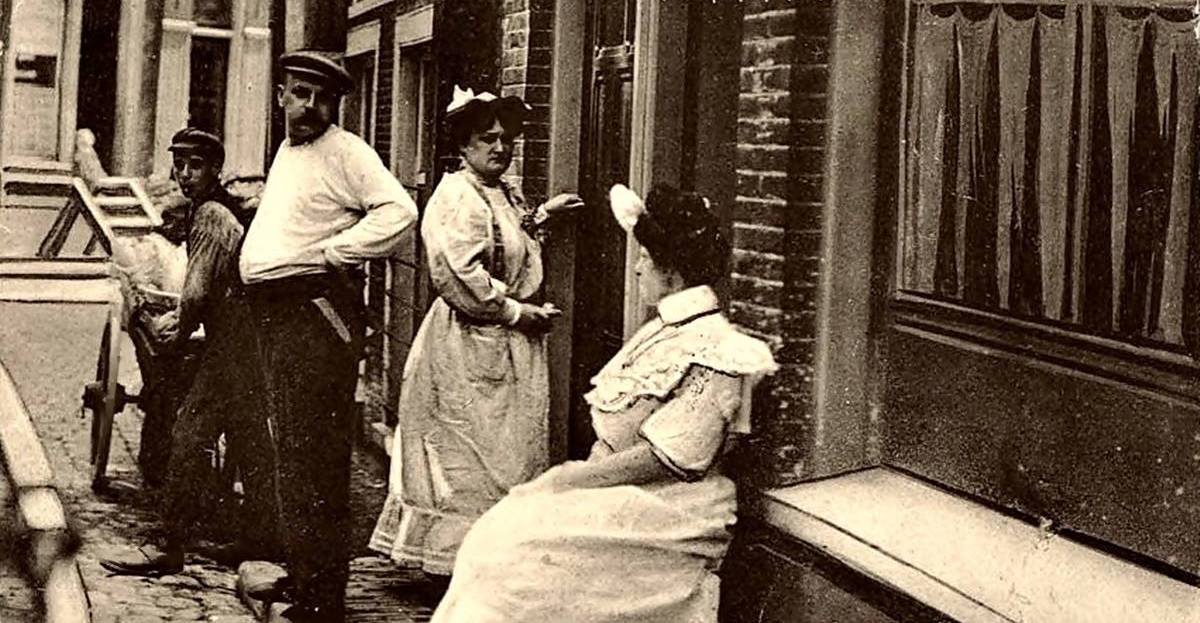
amsterdamredlightdistricttour.com Amsterdam Red Light District History: Past, Present & Future
Historical Amsterdam red-light district, illustrating regulated environments that reduce underground risks. (Amsterdam Red Light District Tour archive).

heartoflouisiana.com Storyville – New Orleans’ Red Light District | The Heart of Louisiana
Psychological and Sociological Mechanisms
Crackdowns erode worker agency: less time for screening, fear-driven haste, client impunity. Elites exploit this vacuum, forming invitation-only networks insulated by NDAs and geography. Demand-side economics (basic supply-demand) confirms: prohibition raises black-market prices and risks, attracting organized crime and high-net-worth predators.
Pros and Cons of Legal and Safe Sex Work: Societal Impact
Pros (supported by evidence):
- Reduced Violence: Rhode Island, Dutch zones, Nevada data show 30–40% rape/sexual assault drops; workers report crimes without arrest fear.
- Public Health Gains: Mandatory health checks, condom access; gonorrhea/HIV declines.
- Economic Benefits: Tax revenue (Germany: billions annually), poverty reduction, labor rights/unionization.
- Trafficking Disruption: Legal markets allow identification of coercion; underground hides victims.
- Societal Stability: Channels demand away from secret societies, domestic violence spillovers. New Zealand’s full decriminalization (2003) is hailed by WHO/UNAIDS as gold standard—stigma drops, reporting rises.
Cons (verified counter-evidence):
- Potential Trafficking Influx: Harvard cross-country data—legal markets expand overall demand, drawing more victims (though regulation mitigates severity).
- Normalization Concerns: Critics argue it commodifies bodies, potentially increasing objectification (normative debate).
- Implementation Failures: Poorly regulated systems (e.g., early German mega-brothels) saw exploitation; requires robust oversight.
- Moral/Social Costs: Some studies link to higher overall commercial sex volume; cultural backlash.
- Elite Loopholes: Even legal regimes see private excesses if enforcement lags.
Net Societal Impact: Evidence tilts toward decriminalization/legalization with strong safeguards (age verification, health standards, exit programs). It reduces the very secret societies and violence crackdowns inadvertently create. Full prohibition fails empirically; hybrid models (Nevada-style) offer compromise. Long-term: safer streets, healthier workers, dismantled underground elites.