
Fields of Tomorrow: How AI is Cultivating Humanity’s Bountiful Agricultural Future
In the wonderful future AI is helping us build, agriculture—the very foundation of human civilization—will transform from a source of uncertainty and environmental strain into a symphony of abundance, resilience, and harmony with nature. No longer will farmers battle unpredictable weather, hidden pests, or wasteful resource use alone. AI will become the tireless sidekick, the wise teacher, the vigilant guardian, and the creative partner that multiplies every farmer’s skill. By 2040, global food systems will produce more nutritious food with far less land, water, and chemicals, feeding a growing population while healing ecosystems. This is not science fiction; it is the logical, hopeful extension of today’s precision tools, conversational assistants, and autonomous systems. Through vivid examples of drone guardians, robotic companions, smallholder empowerment, livestock care, and ethical stewardship, we see how AI will help mankind grow not just crops—but a thriving, sustainable world.
1. Precision Farming: Eyes in the Sky and on the Ground
Picture a soybean farmer in rural Iowa stepping into his field at dawn, a discreet lapel-pin AI clipped to his jacket and lightweight AR glasses perched on his nose. His AI companion, “Sage,” activates instantly. Cameras and satellite data stream in real time: “Soil moisture is optimal in the northeast quadrant, but nitrogen levels are dipping 8% in the southwest. Shall I adjust the variable-rate fertilizer plan?” Sage overlays subtle holographic maps on the farmer’s view—green for healthy zones, amber for areas needing attention—while explaining in plain language why the adjustment matters for both yield and runoff prevention. No spreadsheets, no guesswork. The farmer nods, and Sage coordinates the autonomous sprayer already rolling through the rows.
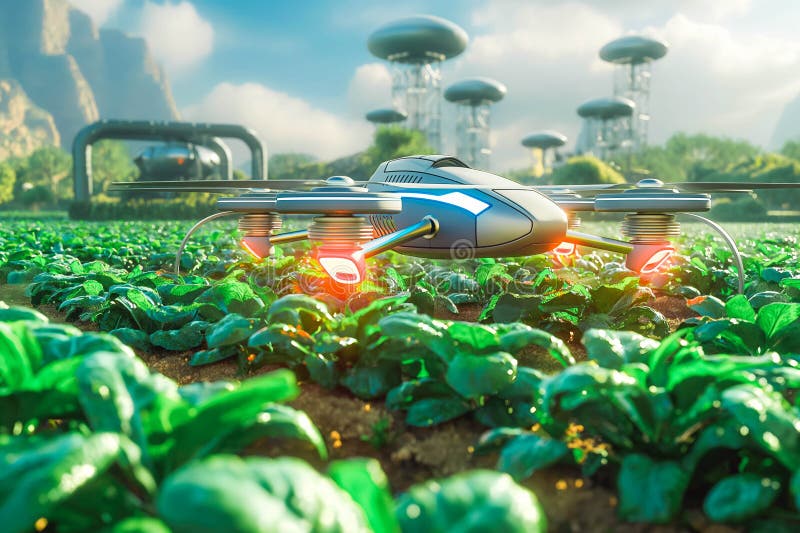
This is precision agriculture at its finest. Drones equipped with multispectral cameras fly overhead like helpful bees, spotting nutrient deficiencies or early stress before the human eye can. Satellites provide continent-scale insights, while ground sensors feed hyper-local data. AI synthesizes it all into actionable, conversational advice. Yield increases of 15-40% become routine, while water and fertilizer use drop dramatically—sometimes by half. Smallholder farmers in Kenya or India, using nothing more than a smartphone and a free AI app like an evolved Plantix, receive the same world-class guidance in their local language and dialect. A woman tending her two-acre plot learns exactly when to irrigate her maize to survive a drought, saving her family’s harvest and income. AI levels the playing field, turning subsistence farming into prosperous, climate-resilient enterprises.

2. Autonomous Machinery and Robotic Sidekicks: Labor Made Joyful
In vast Midwest cornfields, a sleek green John Deere-style tractor glides without a driver, its AI “Guardian” at the helm. Cameras and LiDAR scan every inch, steering with centimeter precision while avoiding rocks, wildlife, or uneven terrain. The farmer, now free from the cab, walks the edge of the field with his lapel-pin AI whispering updates: “Row 47 completed with 99.8% accuracy. No compaction risk today—soil is perfect.” If fatigue or distraction ever creeps in during manual oversight, the AI gently suggests a break and even plays a short motivational podcast on regenerative techniques.

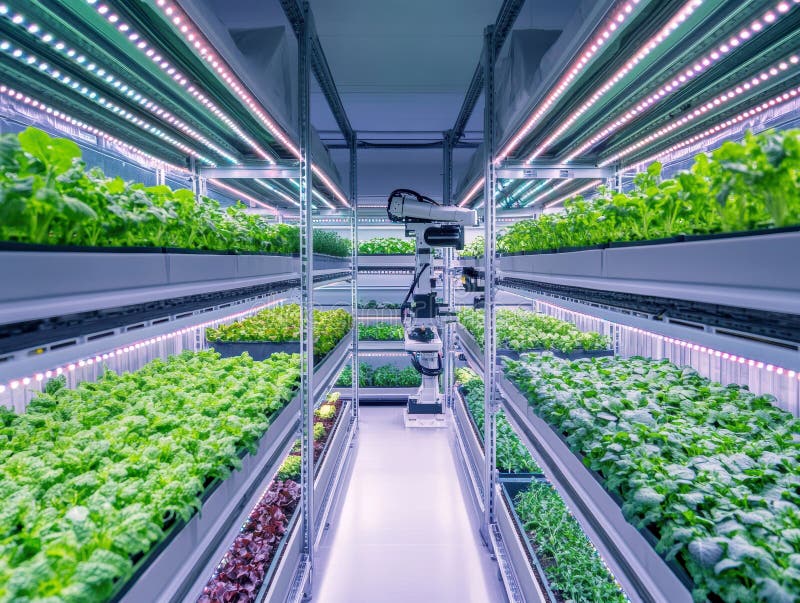
Robotic sidekicks extend the magic. Weed-zapping robots use computer vision to identify and eliminate individual weeds with laser precision or targeted micro-doses of herbicide—cutting chemical use by up to 90%. Harvesting bots with gentle robotic arms pick strawberries at peak ripeness 24 hours a day, never bruising the fruit. In orchards, AI-powered drones prune trees with surgical accuracy, improving airflow and disease resistance. Farmers no longer endure back-breaking labor or dangerous night shifts; instead, they become orchestra conductors of smart machines. Injuries plummet, work becomes intellectually engaging, and family time expands. The same technology scales to greenhouses and vertical farms, where robotic arms under AI direction tend tiered towers of leafy greens, optimizing LED lighting and nutrients for hyper-efficient production in urban food deserts.

3. Early Warning Systems: Protecting Crops Before Problems Strike
Walk through a high-tech greenhouse in California. An AI system called “Sentinel” scans every leaf with hyperspectral imaging. “Early powdery mildew detected on three tomato plants in sector B-4,” it alerts calmly via the grower’s headset. Color-coded heat maps appear, showing exactly which plants need attention. The grower taps a virtual button; a targeted treatment drone delivers a natural fungicide only where needed. No blanket spraying, no wasted resources.
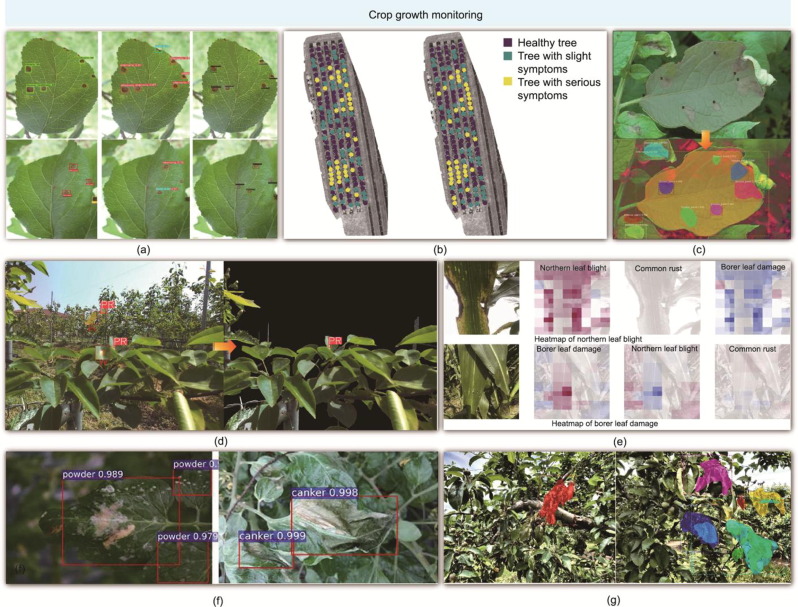
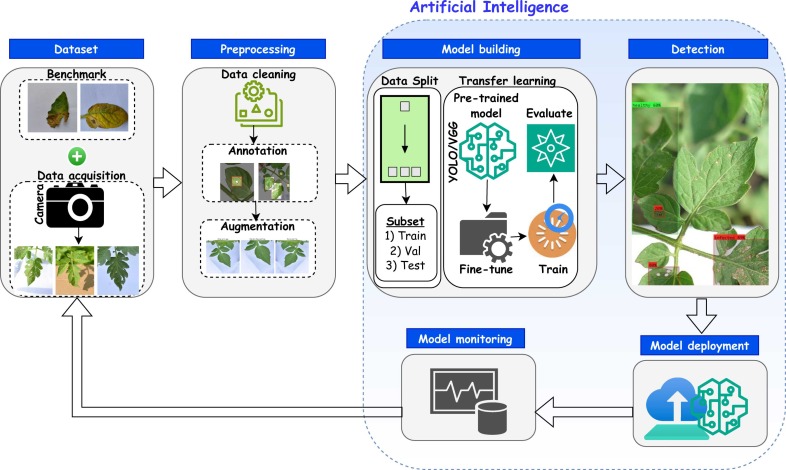
AI disease and pest detection is revolutionary. Models trained on millions of plant images spot threats days or weeks before visible symptoms, giving farmers time to respond gently and naturally. In rice paddies of Southeast Asia, AI listens to acoustic sensors for the subtle sounds of pest movement and predicts outbreaks. Livestock farmers benefit too: wearable sensors on cows paired with barn cameras create holographic health dashboards. “Daisy is showing early signs of rumen imbalance—recommend adjusting feed mix,” the AI sidekick suggests, preventing illness before it spreads. Animals stay healthier, antibiotics drop, and welfare improves because AI catches subtle behavioral changes humans might miss.
4. Resource Optimization and Sustainability: Healing the Land
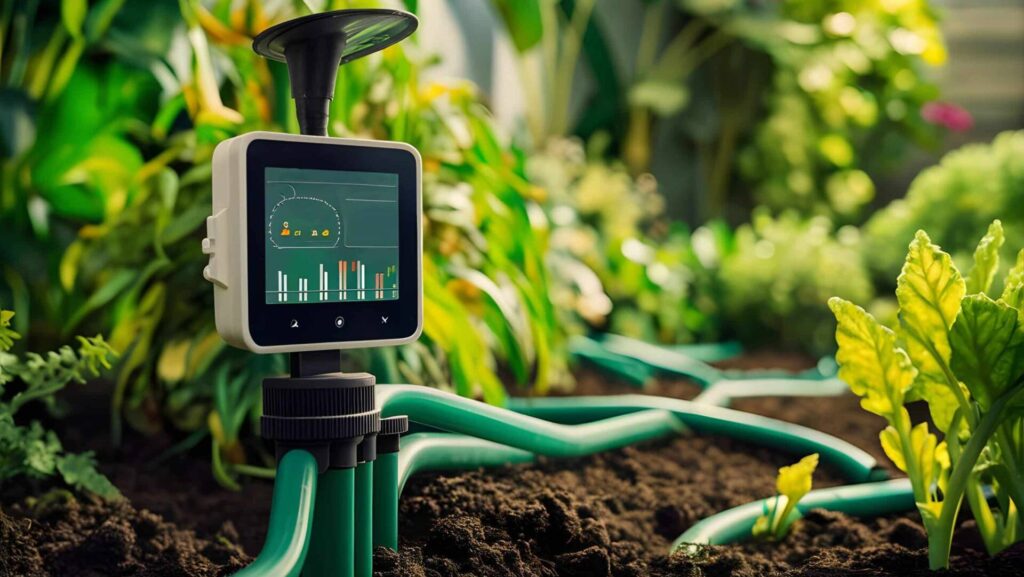
AI turns scarcity into abundance. Smart irrigation systems learn from weather forecasts, soil data, and plant transpiration rates, delivering water drop-by-drop exactly when and where needed—reducing usage by 30-50% while boosting yields. In drought-prone regions, AI models run thousands of climate scenarios nightly, advising farmers on the most resilient crop varieties and planting schedules.
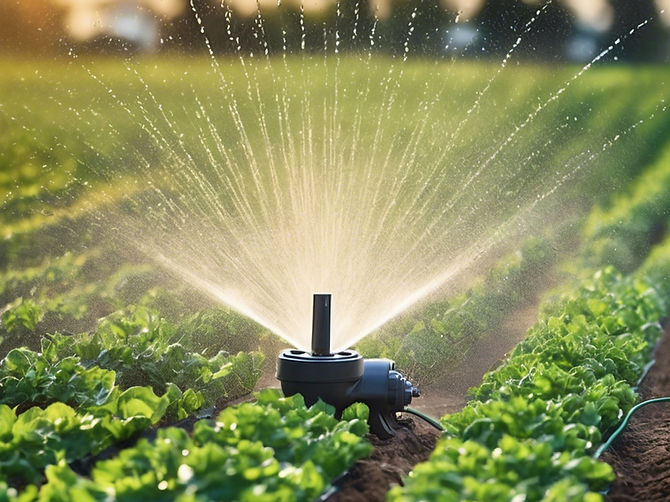
Regenerative practices get supercharged. AI analyzes soil microbiome data to recommend cover crops, rotations, and grazing patterns that rebuild carbon stores and biodiversity. Drones spread native wildflower seeds to create pollinator corridors. Precision agriculture minimizes runoff, protecting rivers and oceans. Vertical farms in cities—lit by AI-optimized LEDs and tended by robotic arms—produce fresh food with 95% less water and zero pesticides, shortening supply chains and cutting emissions.
Farmers become environmental heroes. A young regenerative grower in New Hampshire receives daily coaching from his AI: “Your soil organic matter rose 0.3% this month—great job with the compost tea. Here’s a new companion-planting idea to try.” The result? Healthier soil, cleaner water, more carbon sequestered, and resilient farms that withstand extreme weather.

5. Empowering Farmers: Teaching, Sidekicks, and Global Flourishing
AI acts as the ultimate agricultural educator. New farmers learn through immersive AR simulations: “Watch how I adjust this planter depth—feel the difference in seed placement.” Conversational AI answers questions in any language, drawing from centuries of agronomic wisdom and the latest research. For experienced farmers, the AI becomes a trusted co-pilot that never forgets SOPs, flags safety hazards (like unstable equipment), and prevents costly mistakes.
In developing nations, mobile AI apps democratize knowledge. A smallholder in sub-Saharan Africa snaps a photo of her cassava leaves; the AI instantly diagnoses issues and suggests low-cost, locally available remedies. Market price predictions, financing options, and cooperative matching follow—all through simple voice chats. Food security soars, rural economies thrive, and young people stay on the land because farming feels modern, profitable, and meaningful.
6. Building Trust: AI Ethics in the Fields
This bountiful future rests on strong ethical foundations. Data ownership belongs to farmers—AI systems process information locally or with explicit consent, never sold without permission. Bias audits ensure models work equally well for diverse crops, soils, and cultures. Smallholders are never locked out; open-source tools and subsidized access guarantee equity. Animal welfare algorithms prioritize natural behaviors and early, humane interventions. Transparency is mandatory: every recommendation comes with clear reasoning—“I suggest this because satellite data shows 72% probability of rain and your soil pH is ideal.”
AI even helps enforce ethics by simulating long-term outcomes—modeling how a new practice affects biodiversity or community livelihoods before deployment. Global standards, shaped by farmers, scientists, and indigenous voices, keep innovation aligned with human and planetary values.
Conclusion: A Harvest of Hope
By 2040, we will look at today’s conventional farms the way we now view horse-drawn plows—with gratitude for progress. AI will have helped produce 50% more food on 20% less land, slashed chemical inputs, restored ecosystems, and empowered millions of farmers to live prosperous, creative lives. The lapel-pin sidekick that guides a tractor, the drone that spots a hidden pest, the AI teacher that helps a smallholder thrive, the robotic arm that gently harvests tomorrow’s dinner—all are invitations to a world of abundance where technology serves life.
This future is not handed to us; we co-create it. AI provides the tools—precision, prediction, partnership. Humanity supplies the wisdom, care, and vision. Together, we will cultivate fields of tomorrow that feed bodies, enrich communities, and heal the planet. The soil is ready. The seeds of possibility are planted. With AI as our joyful ally, the harvest will be more beautiful than we ever imagined—one informed decision, one protected acre, one thriving farm at a time. The wonderful future of agriculture is already sprouting. Let us nurture it together.