
Spectrum of Tomorrow: How AI-Powered Spectroscopy Is Detecting the Invisible and Safeguarding Humanity’s Future
In the wonderful future we are building with artificial intelligence, one of the most powerful tools for protecting human health and the planet is AI-enhanced spectroscopy—the science of using light to reveal the hidden composition of matter. Traditional spectroscopy has long identified materials by how they absorb, scatter, or emit light across wavelengths, but it once required expert interpretation and bulky lab equipment. Today, AI transforms it into an instant, intuitive, and ubiquitous guardian. Machine-learning models analyze vast spectral datasets in milliseconds, spotting patterns no human eye could discern, while conversational AI companions explain findings in plain language. By 2040, AI spectroscopy will detect microplastics in a single drop of water, contaminants in our food, pollutants in the air, and early disease markers in our bodies—all from portable devices the size of a smartphone. This technology will eliminate invisible threats, restore purity to our environment, and empower every person to make safer, healthier choices. The result? Cleaner oceans, safer meals, healthier communities, and a profound sense of security that technology truly serves life.
1. The Science Made Simple: How AI Supercharges Spectroscopy
Spectroscopy works like a molecular fingerprint scanner. Raman spectroscopy, for instance, shines a laser on a sample and measures the scattered light to reveal chemical bonds. Near-infrared (NIR) and Fourier-transform infrared (FTIR) methods do the same across different wavelengths, while hyperspectral imaging captures entire spectra for every pixel in an image. Alone, these techniques generate enormous data—thousands of data points per scan. AI changes everything. Deep-learning models (like convolutional neural networks and transformers) are trained on millions of labeled spectra, learning to classify substances with 95–99% accuracy even in noisy, real-world conditions. Generative AI can even reconstruct incomplete spectra or simulate “what-if” scenarios for new pollutants. The magic happens in real time: a lapel-pin AI or handheld device scans, processes, and speaks: “Detected trace polyethylene microplastics at 2.3 particles per liter—well below safety thresholds.” No lab, no PhD required.


2. Protecting Our Water: Real-Time Microplastic Detection
Microplastics—those insidious fragments smaller than 5 mm—have infiltrated every waterway on Earth. AI spectroscopy ends the guessing game. Portable Raman spectrometers paired with AI models (such as PlasticNet) scan a water sample in seconds, identifying polymer types like polyethylene or polystyrene down to 1-micron particles. In rivers and oceans, AI-guided drones and autonomous boats use hyperspectral cameras to map pollution hotspots from the air or surface, distinguishing plastic from algae or sediment with superhuman precision. When a cluster is found, the same AI directs microrobotic swarms to capture and neutralize the particles before they break down further. At home or in treatment plants, smart filters embedded with AI sensors continuously monitor output and self-adjust, ensuring your tap water is not just clean—but verifiably pure. Families in Manchester, New Hampshire, or coastal villages worldwide will simply ask their AI companion, “Is this safe to drink?” and receive an instant, trustworthy answer backed by spectral evidence.

New Technique Combines Raman Spectroscopy and AI to Accurately Detect Microplastics in Water | Spectroscopy Online
3. Safeguarding Our Food: From Farm to Fork
Food safety takes a quantum leap. Hyperspectral imaging systems on conveyor belts in processing plants scan every item—produce, seafood, packaged goods—for microplastics, pesticides, or spoilage. AI instantly flags anomalies: “This salmon fillet shows 0.01% microplastic contamination from ocean sources—recommend source verification.” Farmers use handheld NIR devices to test soil and irrigation water on the spot, while grocery stores offer self-scan stations that let shoppers verify purity before buying. In kitchens, a simple countertop spectrometer (no bigger than a coffee maker) analyzes a handful of berries or a glass of milk, telling you not only about microplastics but also nutrient levels and freshness. AI turns every meal into an informed, joyful choice, reducing waste and building trust in the global food supply.

How is Hyperspectral Imaging Used in Food Processing? | KPM Analytics
4. Everyday Heroes: Portable AI Spectrometers for All
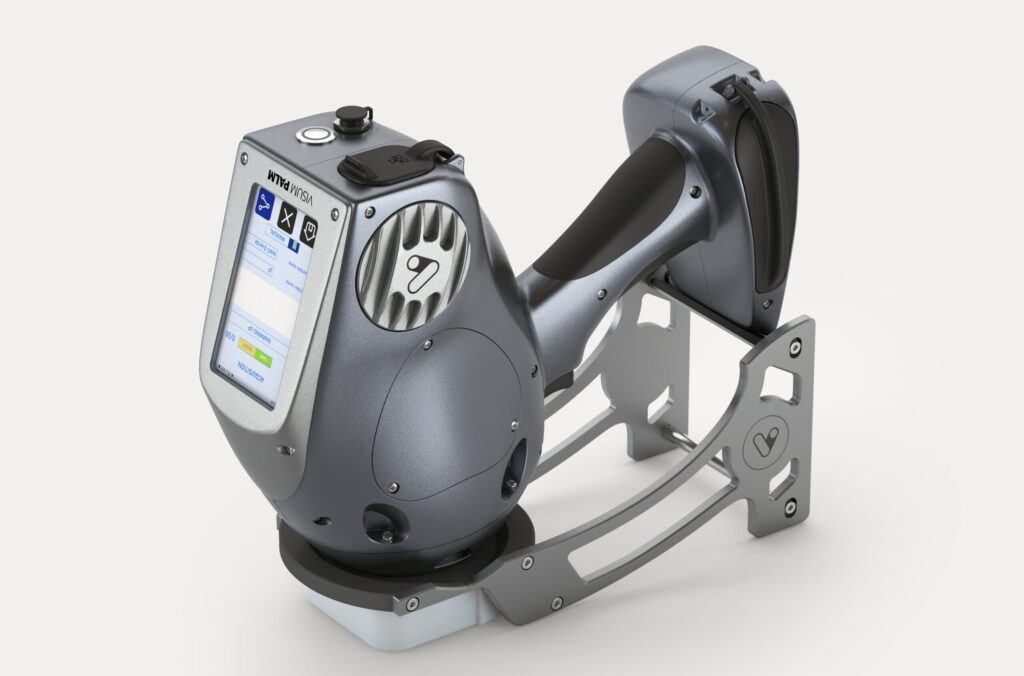
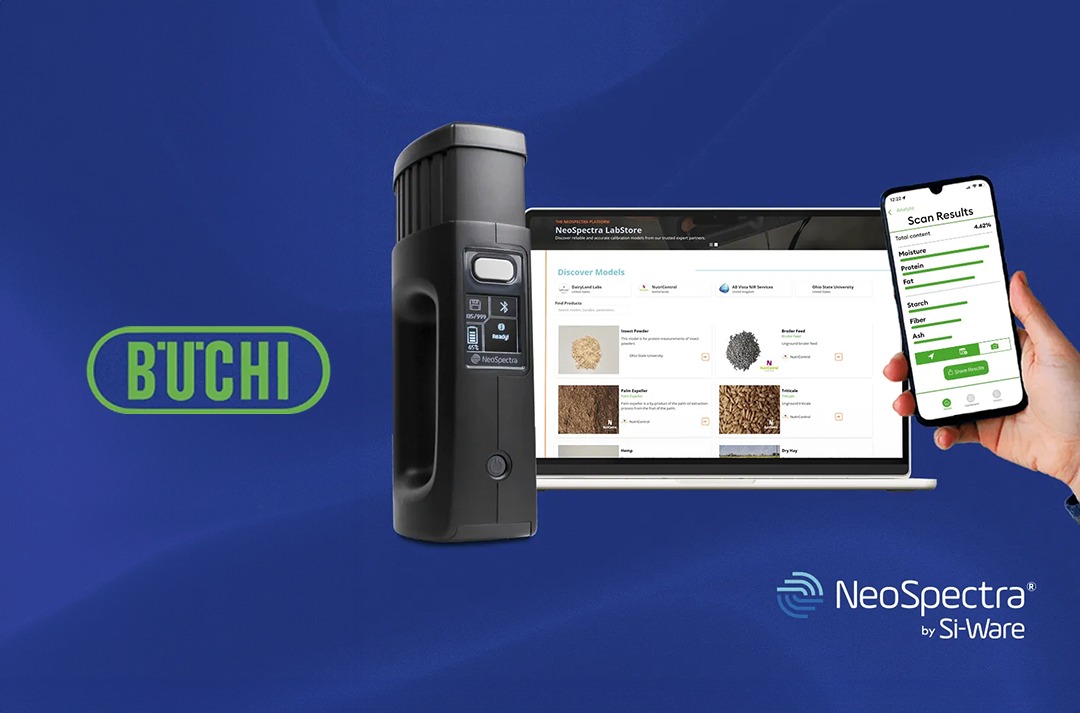
The revolution is personal. Handheld devices like the Visum Palm or NeoSpectra analyzers already exist in 2025 prototypes; by 2030 they will be as common as smartphones. Clip one to your belt or integrate it into a lapel pin, and your AI sidekick becomes a constant protector. Scan a riverbank, a child’s toy, or your morning smoothie—results appear with clear explanations and health-risk assessments. In schools, students learn environmental science by scanning local water samples and watching AI visualizations of molecular fingerprints. In remote communities, these tools bring lab-grade detection without electricity or internet, empowering smallholder farmers and indigenous groups to monitor their own lands. The technology democratizes knowledge: what was once the domain of specialized labs is now in everyone’s hands, fostering a culture of proactive care.
5. Scaling to the Planet: Drones, Satellites, and Global Insight
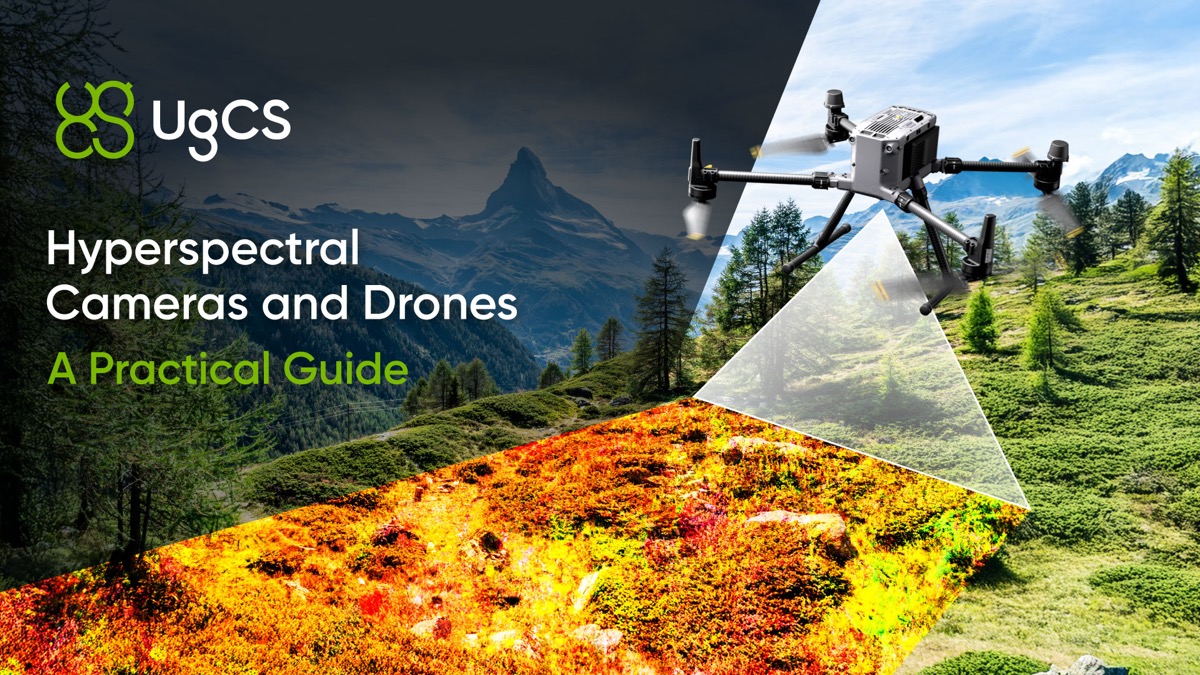
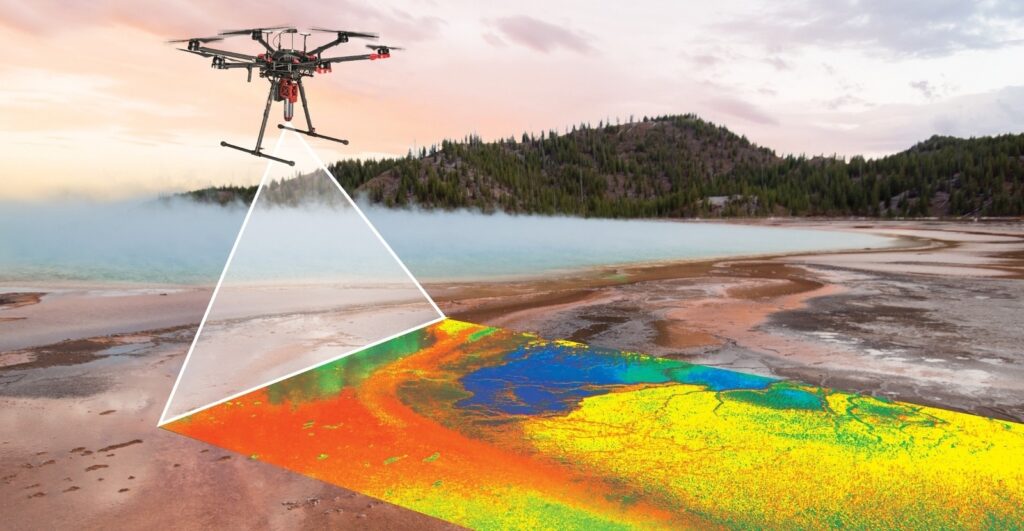
AI spectroscopy doesn’t stop at the personal level. Drones equipped with hyperspectral cameras fly over farmlands, forests, and coastlines, creating color-coded maps that reveal microplastic accumulation, soil contamination, or coral bleaching in real time. Satellites fuse this data with AI models to generate global dashboards, predicting pollution spread and guiding international cleanup efforts. In manufacturing, AI audits production lines to prevent plastic shedding at the source. The same systems monitor air quality for nanoplastics and volatile compounds, alerting cities before smog events worsen. This planetary-scale vigilance turns reactive environmentalism into predictive stewardship, allowing ecosystems to heal while humanity thrives.
6. Ethical Foundations and the Human Touch
This powerful future rests on trust. AI spectroscopy systems are designed with transparency at their core: every detection includes the reasoning—“I identified polystyrene because of these characteristic Raman peaks at 1,000 cm⁻¹.” Data privacy is absolute—scans stay local unless users opt in for community monitoring. Equity is prioritized through open-source models and subsidized devices, ensuring no community is left behind. AI even simulates long-term impacts, helping policymakers choose interventions that protect the vulnerable first. Most importantly, the technology remains a partner, never a replacement: doctors, farmers, and families retain final say, guided by clear, compassionate AI explanations.
Conclusion: A Clearer, Safer World Awaits
By 2040, we will look back on today’s invisible threats with the same relief we feel about once-common lead paint or CFCs. AI-powered spectroscopy will have scrubbed microplastics from our water and food, restored purity to our environment, and given every person the power to see—and protect—what truly matters. The handheld scanner that reassures a parent, the drone that maps a healing reef, the kitchen device that turns dinner into a celebration of safety—all are invitations to a future of abundance and peace of mind.
The light of discovery is no longer limited to laboratories. With AI as our faithful co-pilot, spectroscopy illuminates the path forward—one spectrum, one scan, one reassured heartbeat at a time. The technology is here. The future is clear. Together, we will build a world where nothing harmful hides in the shadows, and every ray of light reveals only what is safe, pure, and full of possibility.